the problem with India’s protein conversation is that it stops at “eat more dal” or “buy protein powder.” neither is wrong. both are incomplete.
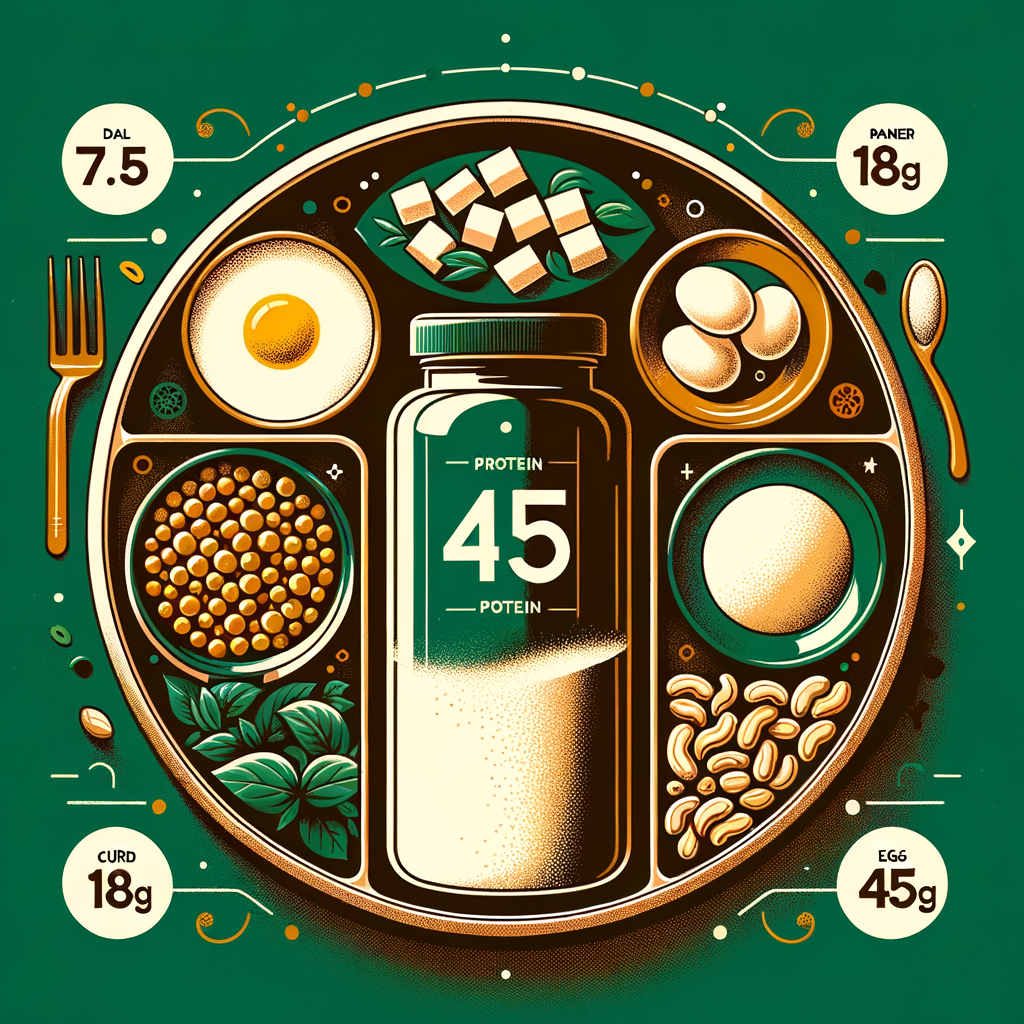
here’s what the actual protein content looks like when you compare common Indian protein sources side by side — per 100g:
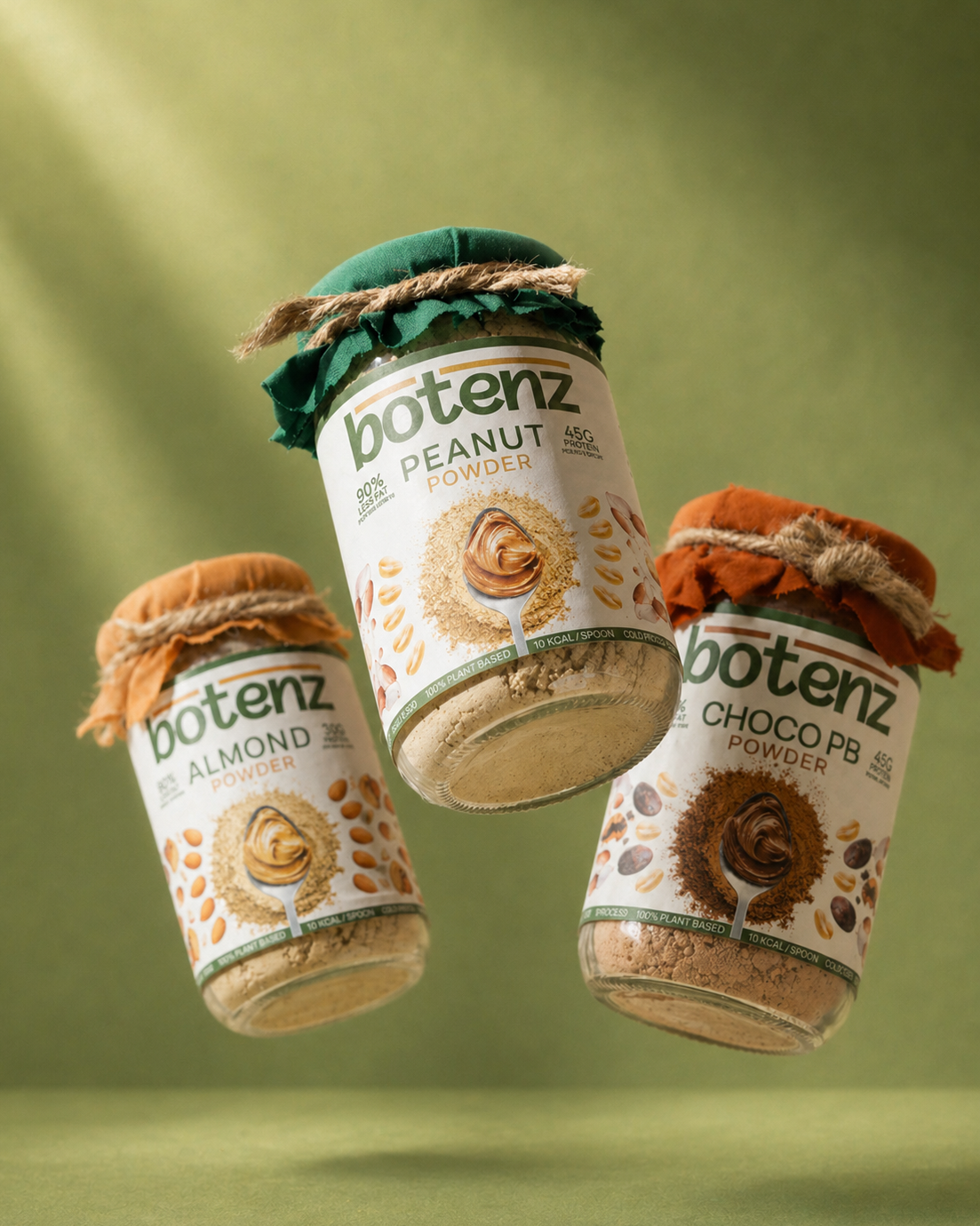
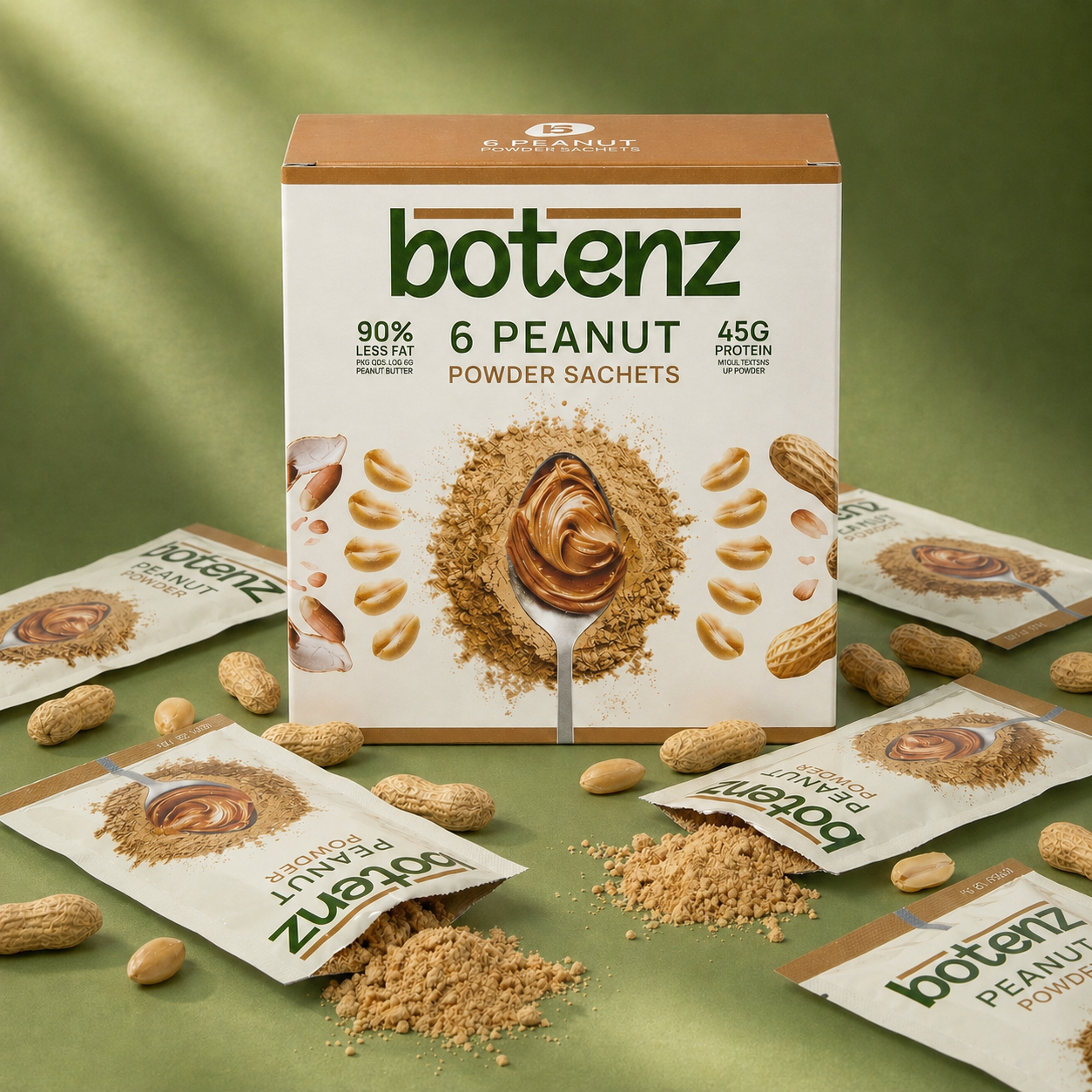
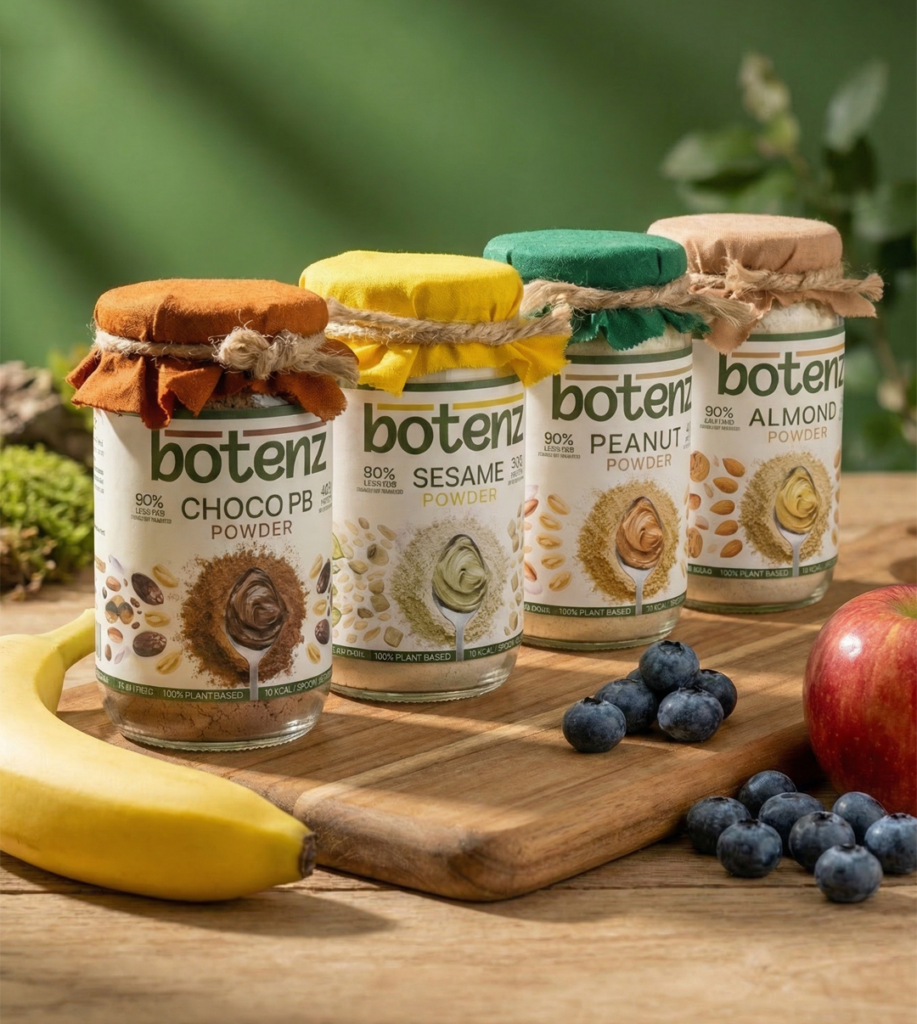
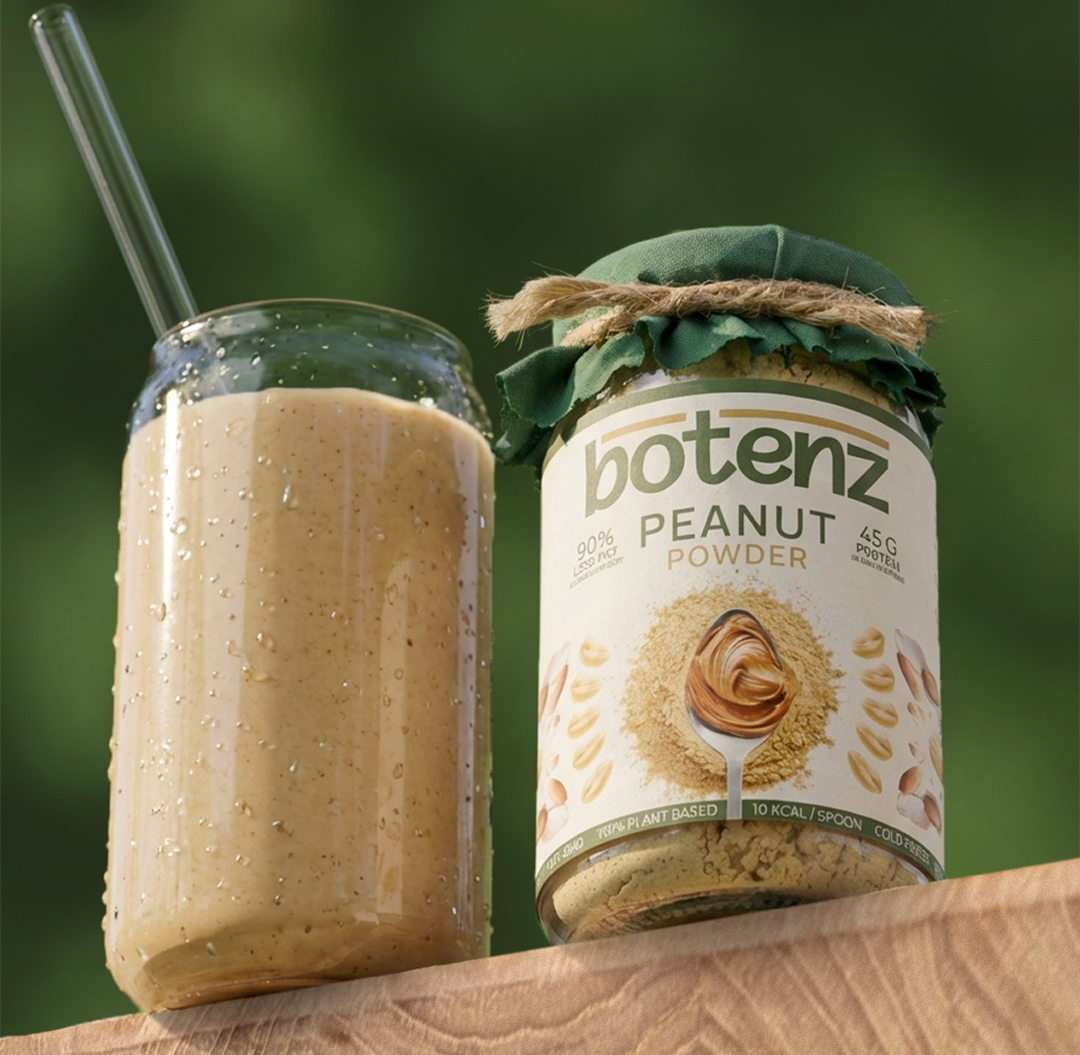
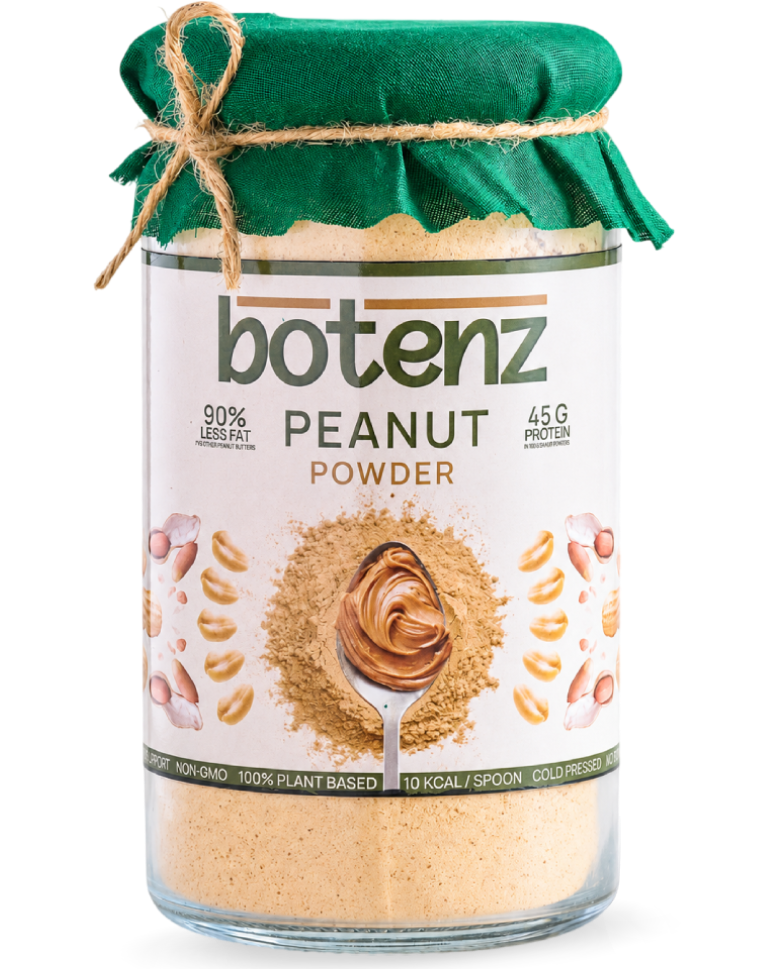
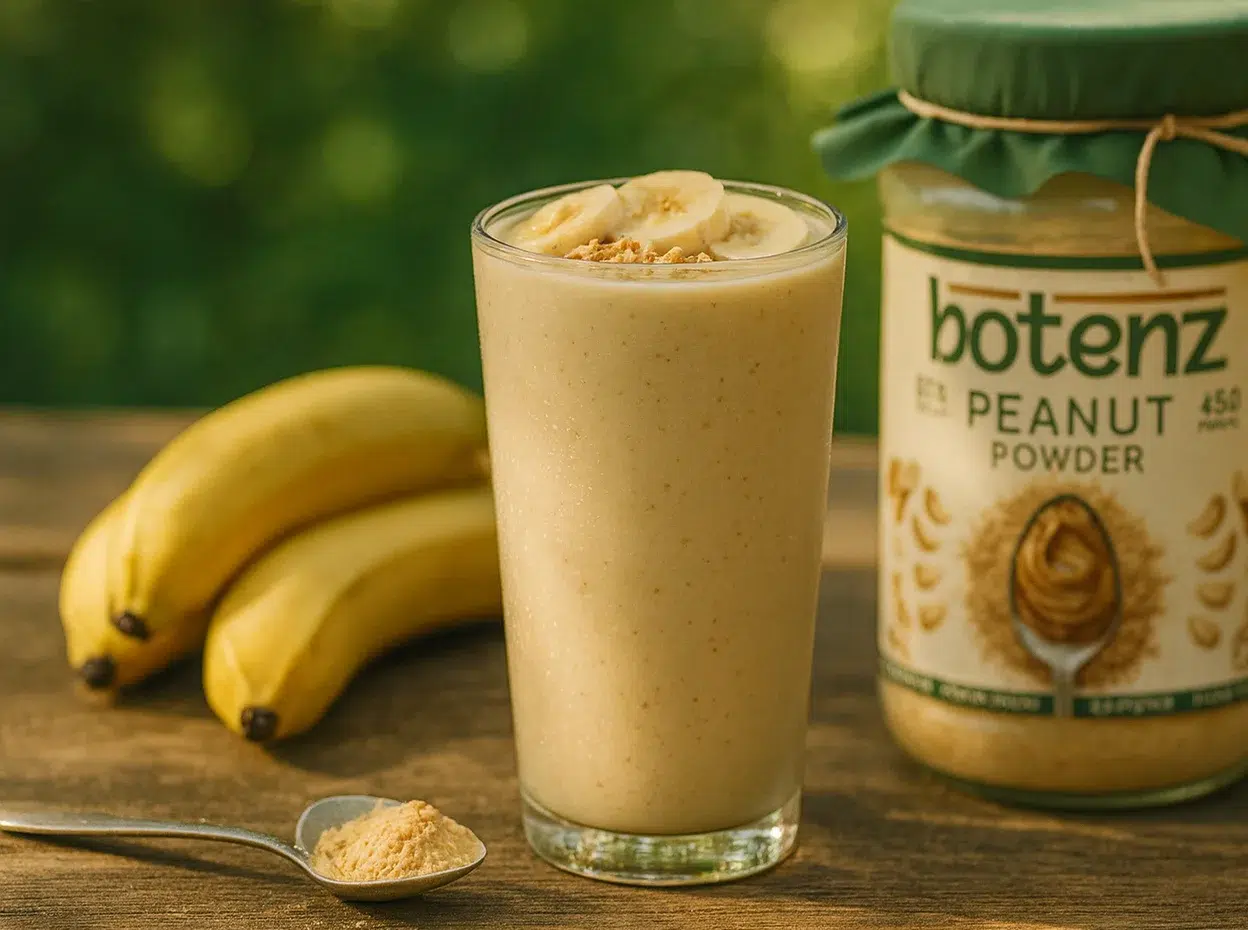
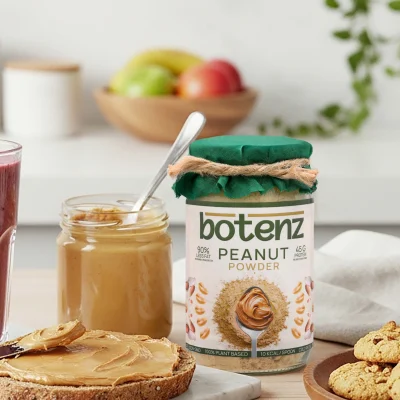
read that table carefully. peanut butter powder has 45g of protein per 100g — that’s nearly double the protein of raw peanuts (25.8g), with 73% less fat. it’s higher in protein per gram than chicken breast. and it’s a whole food — three ingredients (peanuts, coconut sugar, himalayan salt), cold-pressed to remove the oil.
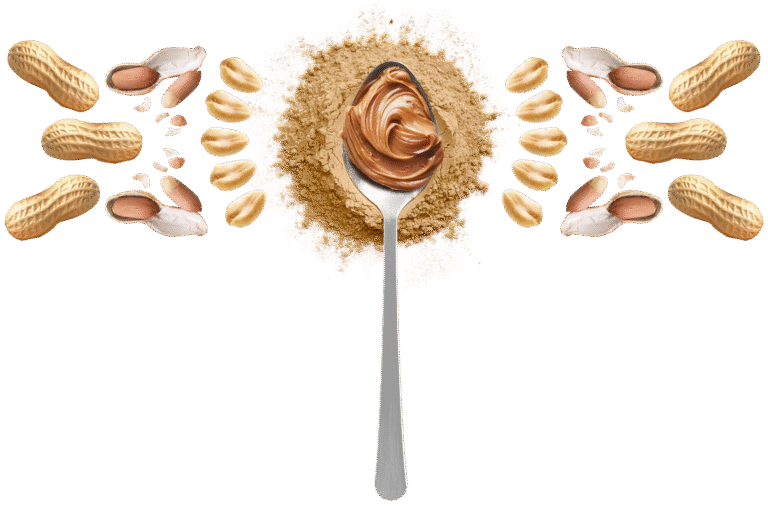
this isn’t a supplement. there’s no extraction process, no chemical solvents, no added isolates. the protein concentration happens because removing the fat concentrates everything else — including the protein that was already there.
why the gap exists in the first place
the ICMR recommends 0.83g of protein per kilogram of body weight daily. for a 70kg adult, that’s about 58g of protein per day. sounds manageable — until you look at what people actually eat.
the math problem with dal: a typical serving of moong dal (one bowl, ~150g cooked) gives you about 11g of protein. to hit 58g from dal alone, you’d need to eat more than five bowls a day. nobody does that.
the math problem with paneer: paneer has 18g protein per 100g, but it also has 20g fat per 100g. and a “portion” at most meals is 50-75g, giving you 9-13g protein. two servings a day = 18-26g. you’re still short.
the math problem with curd: curd gives you 11g per 100g. a bowl of curd with lunch adds maybe 11-15g. helpful, but not enough on its own.
this is why the protein gap persists: the foods that Indian vegetarians eat every day are genuinely nutritious — but none of them are protein-dense enough to close the gap in normal serving sizes.
where powder fits
(without replacing anything)
the point isn’t to stop eating dal or paneer. it’s to add a protein-dense ingredient to meals you already eat — without changing the meal itself.
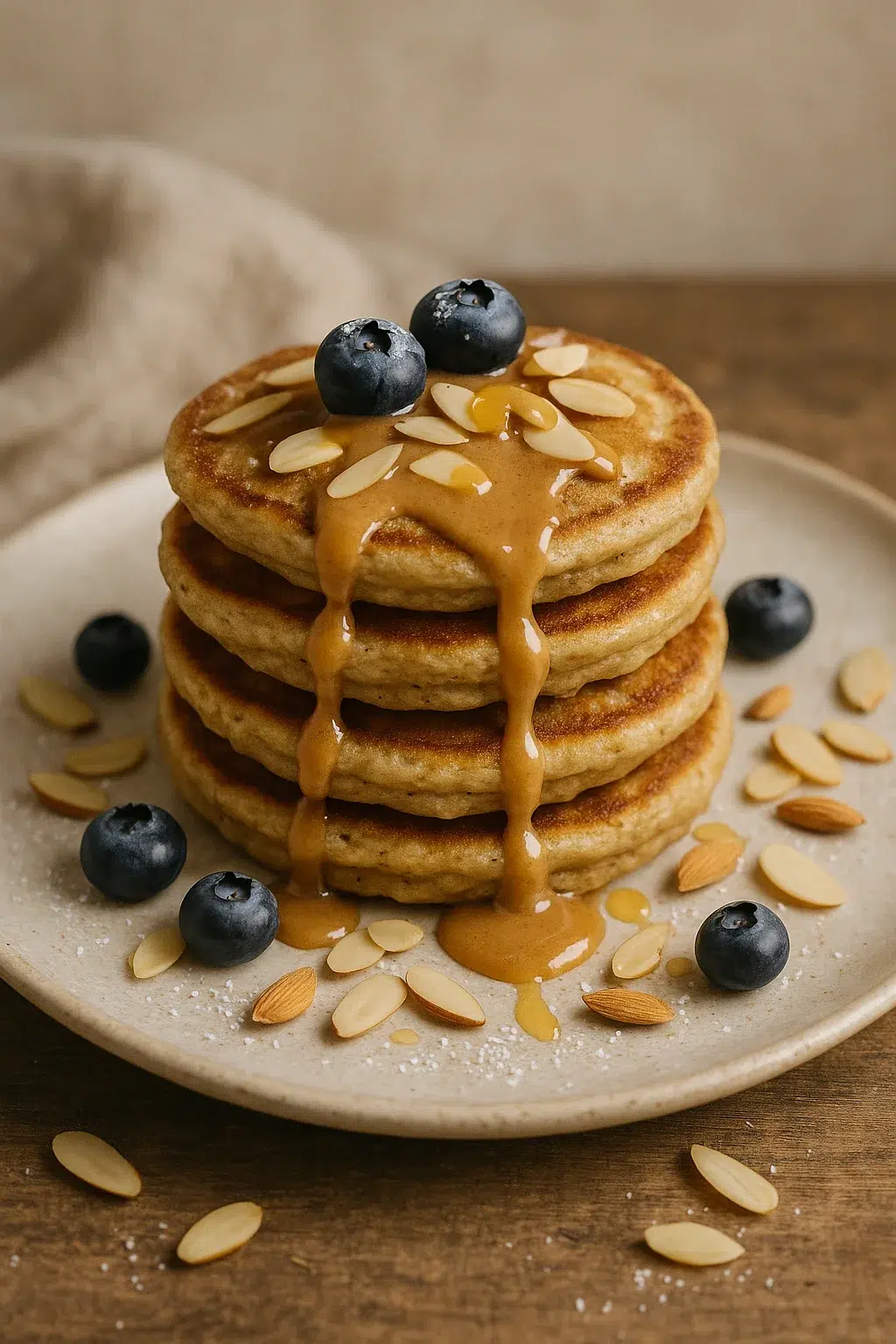
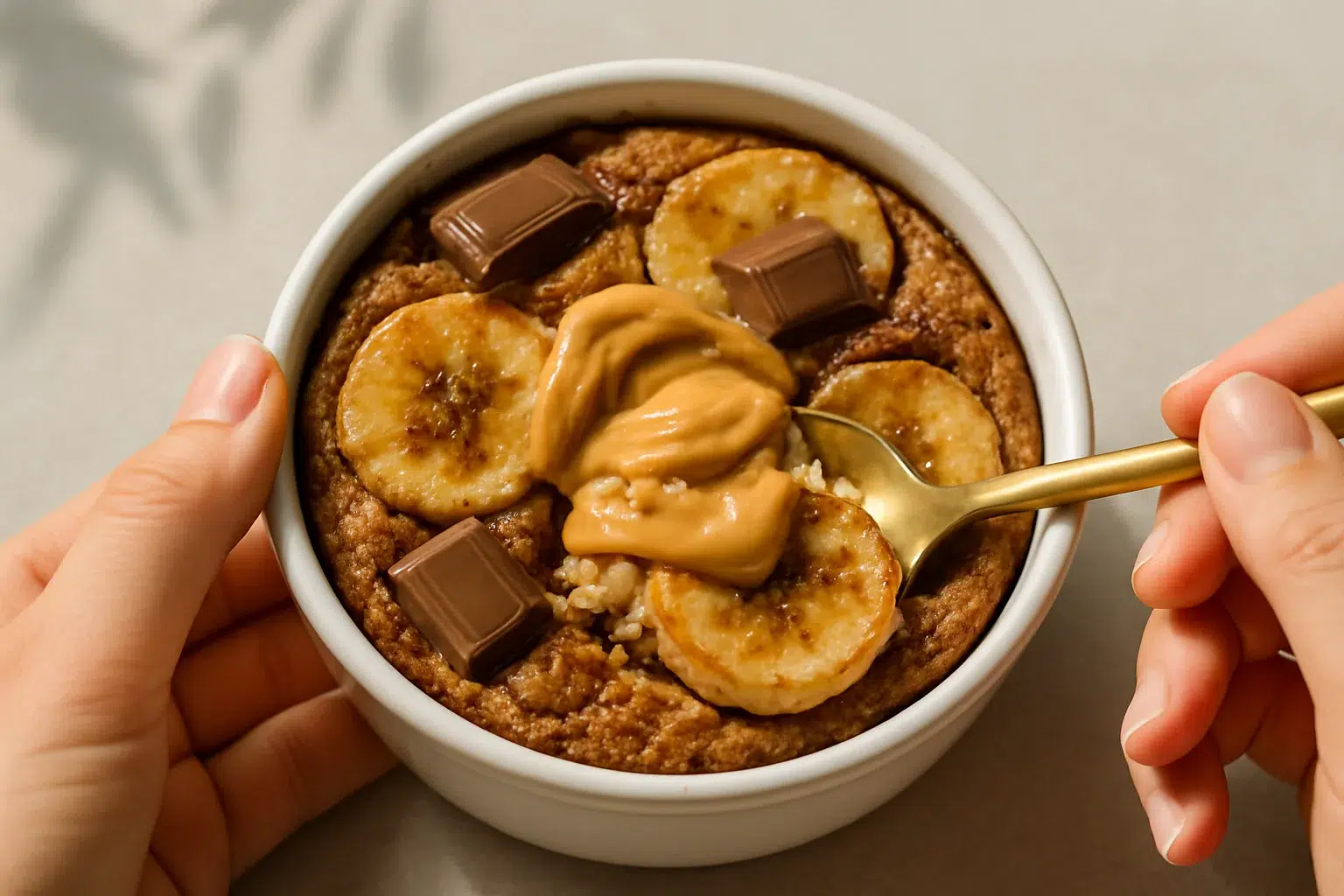
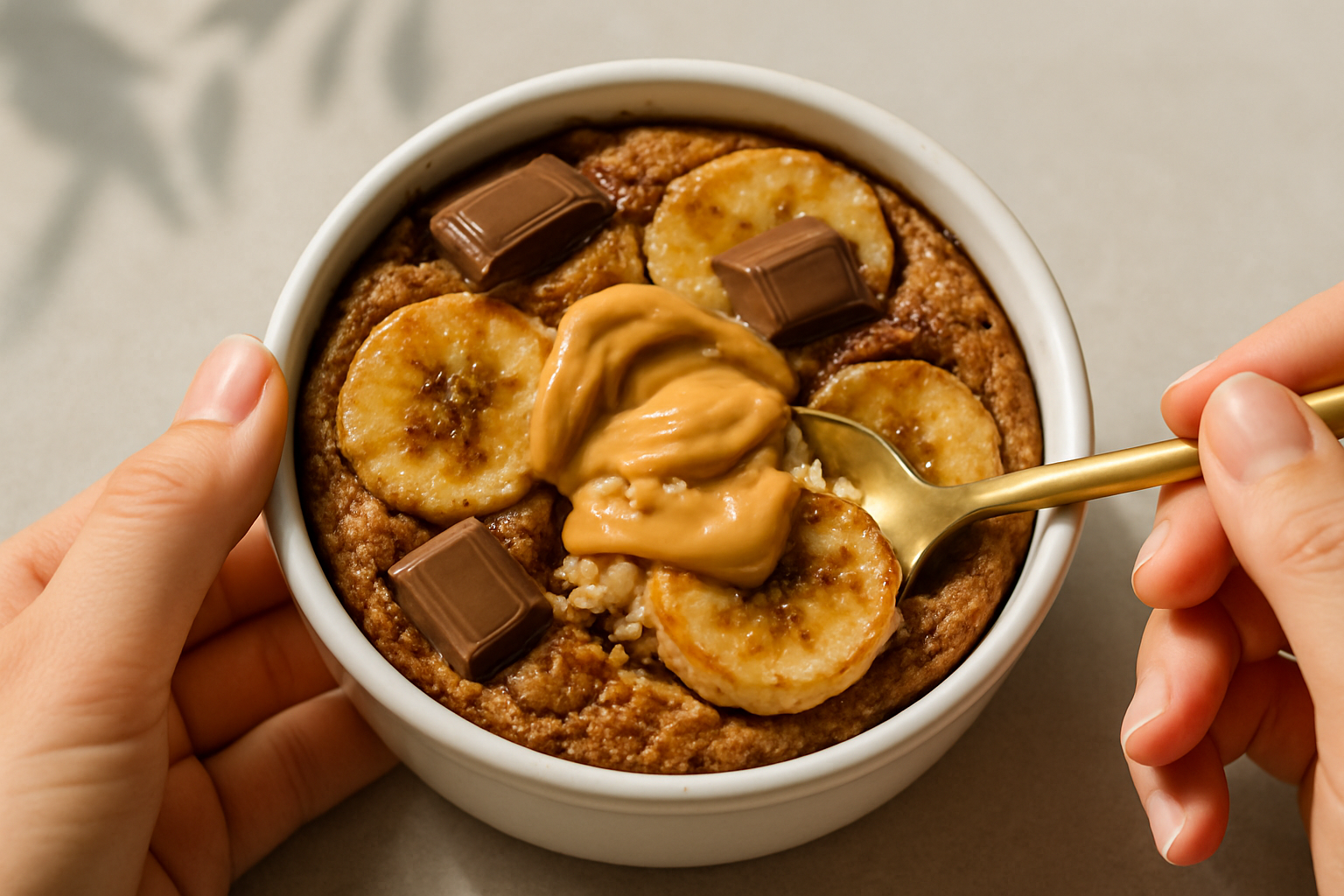
two tablespoons of peanut butter powder (about 20g) added to morning oats = 9g extra protein. that’s the equivalent of adding a whole egg to your breakfast without cracking one open.
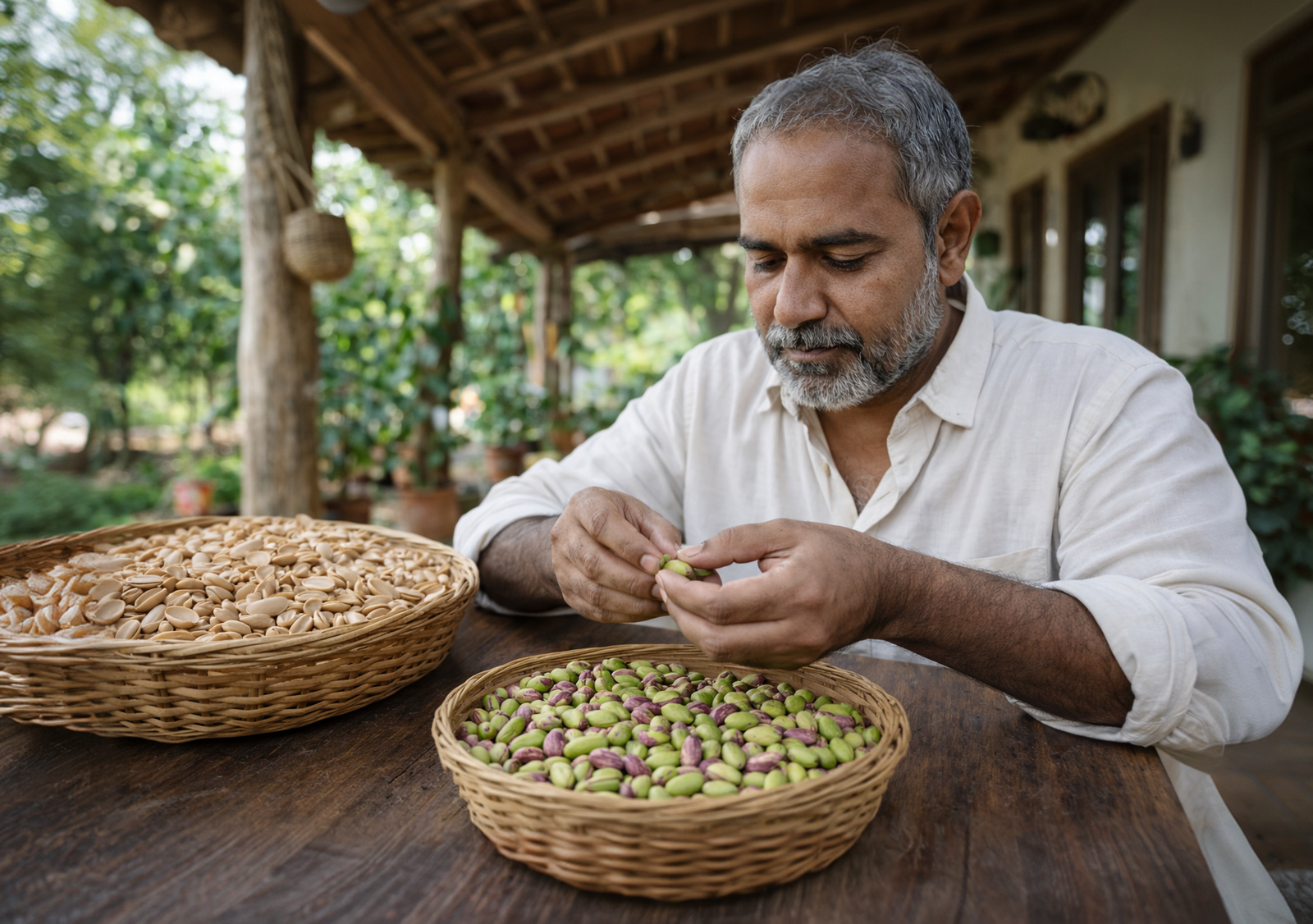
three tablespoons of cashew powder stirred into your evening curry = 8g extra protein, plus the creaminess that the dish was getting from cream or yogurt anyway. Indian cooks already use kaju paste in korma, shahi paneer, and butter chicken gravy — powder is the same ingredient, defatted and ready to use without soaking or blending.
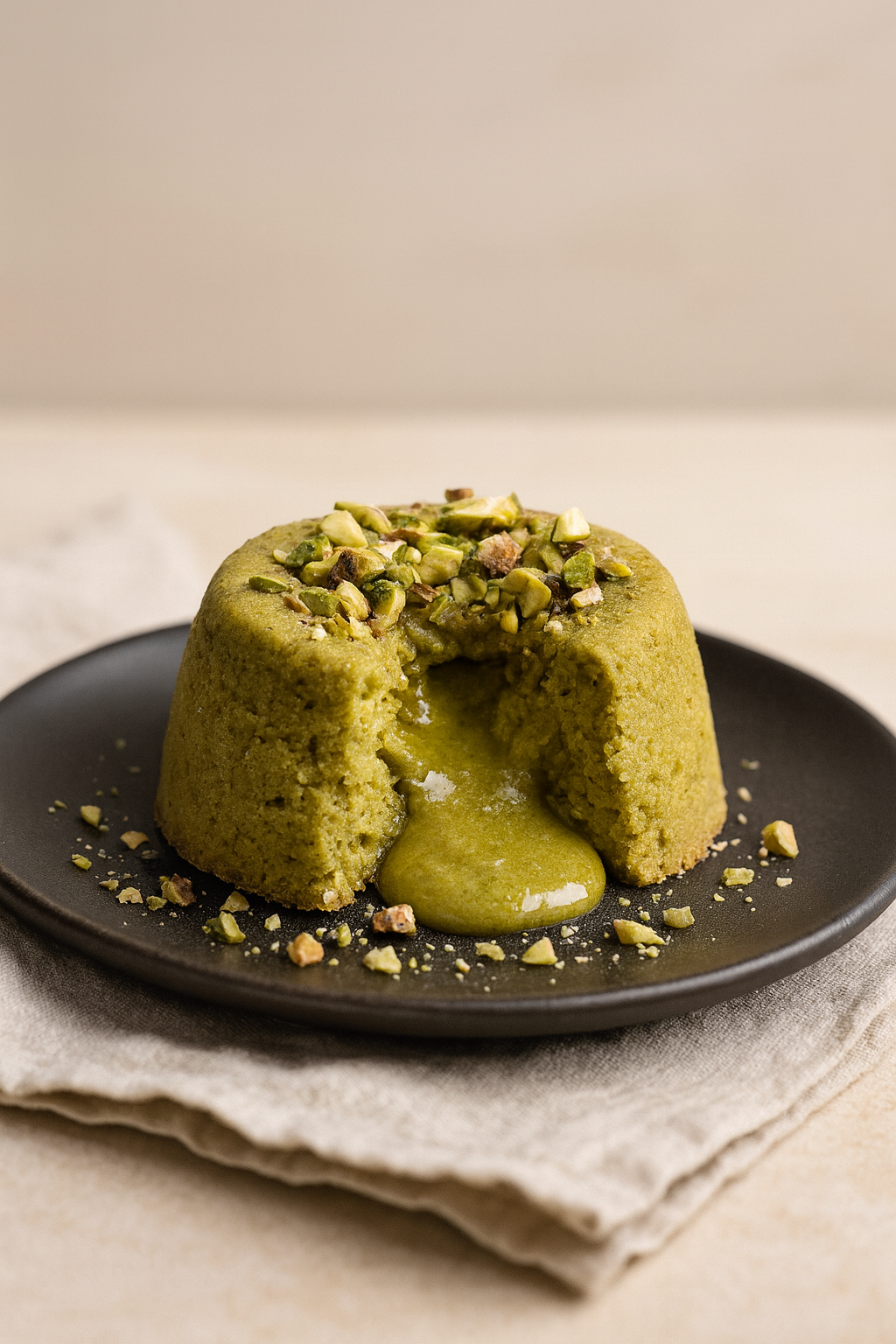
a pistachio powder latte in the afternoon = 7g extra protein in a drink that tastes like a premium dessert. this isn’t a supplement shake. it’s a latte.
add it up: +9g at breakfast, +8g at dinner, +7g as a drink. that’s 24 extra grams of protein per day — from whole foods, with zero change to your cooking routine.
for someone eating 40g of protein daily (India’s average), that’s a 60% increase. from powder.
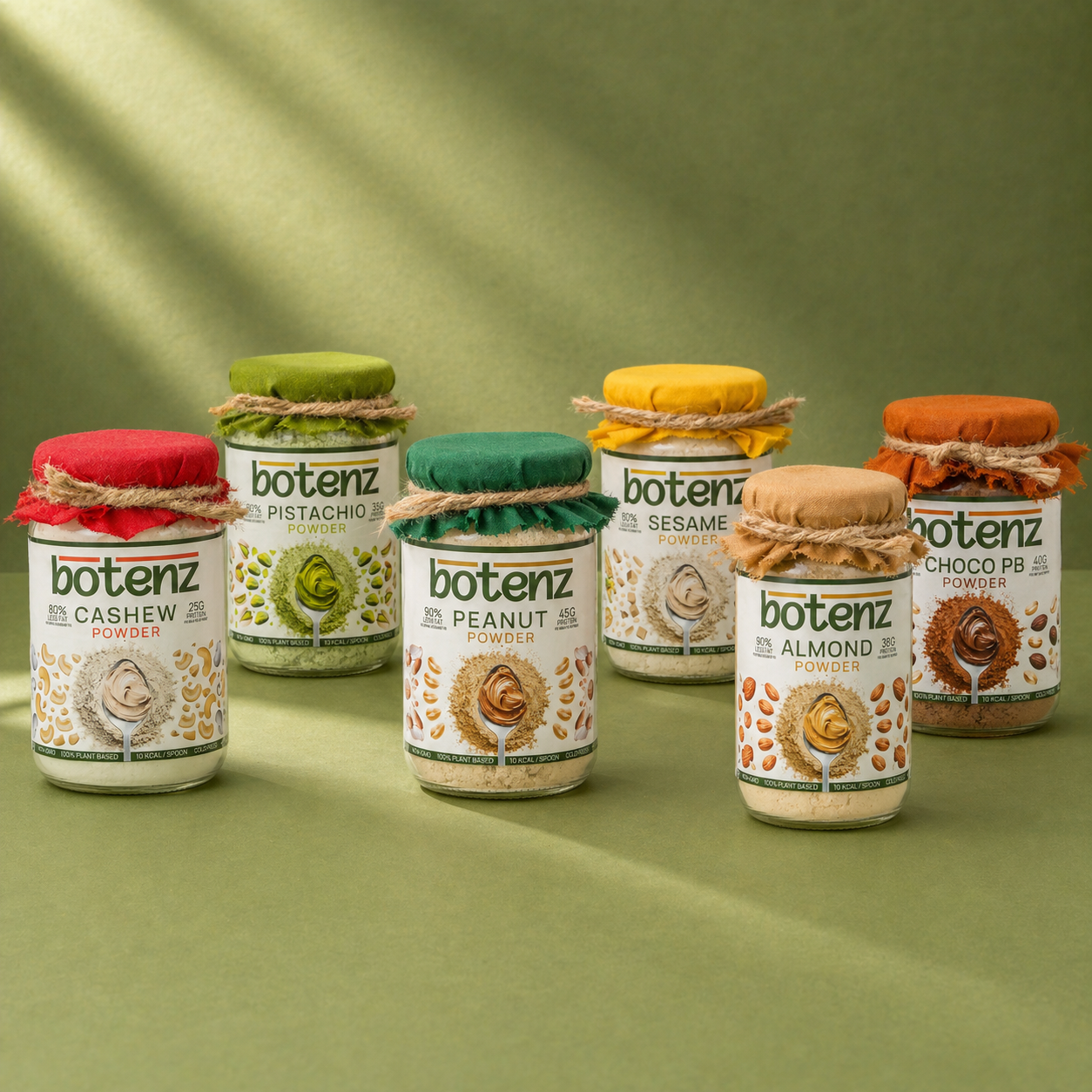
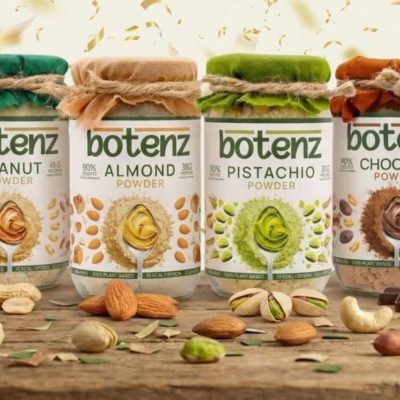
India doesn’t eat one type of nut. Indian kitchens use kaju (cashew) for cream sauces, badam (almond) for desserts and warm milk, pista (pistachio) for sweets, and til (sesame) for laddoo, chikki, and chutney. a nut butter powder brand that only sells peanut is solving the protein gap for breakfast. a brand that sells all six is solving it for every meal.