searching for the best peanut butter powder in india? we compared 7 brands on protein per 100g, ingredients, fat content, and packaging — and found that the quality gap is far bigger than most people realize.
peanut butter powder has gone from niche import to mainstream health product in india — fast. MYPB appeared on Shark Tank India Season 5. PBfit and PB2 are available on Amazon India. Indian brands like Alpino and NutriYog have entered the category. the search term “best peanut butter powder india” is growing every month.
the problem: most comparison articles are thin on data and heavy on affiliate links. this one isn’t. we compare all 7 brands on protein per 100g (from official labels), actual ingredient lists, and packaging material — not just the front-of-pack claim.
peanut butter powder is made by cold-pressing whole roasted peanuts to remove most of the oil, leaving a dry powder. the result: roughly 90% less fat than regular peanut butter, double the protein per calorie, and about one-third of the calories overall.
it’s not a protein supplement. it’s a whole food ingredient — the same peanut, minus most of the oil. add water and it becomes a spread. add it dry to oats, smoothies, or curry and it dissolves right in. it works anywhere regular peanut butter works, plus places peanut butter is too heavy or oily.
now the important question: with 7 brands available in india, which one is worth buying? here’s how we compared them — and how they ranked.
we ranked each brand on five criteria: protein per 100g (from official nutrition labels), fat per 100g, ingredient count and quality, number of flavors available, packaging material, and availability in india. imported brands were evaluated at actual availability — not US website claims.
the table below shows all 7 brands side by side. full reviews follow — with honest takes on who each brand is best for.
| Protein | Fat | Flavors | Packaging | India Avail. | |
|---|---|---|---|---|---|
| Botenz | 45g | 13g | 6 | Glass jar | Direct / online |
| MYPB | 44g | ~10g | 3 | Plastic pouch | Website / Amazon |
| Alpino | 50g | ~7.5g | 1 | Plastic pouch | Amazon / Flipkart |
| PBfit (imported) | 50g | 12.5g | 2 | Plastic jar | Amazon only (import) |
| PB2 (imported) | 46g | 11.5g | 2 | Plastic jar | Amazon only (import) |
| NutriYog | ~38g* | ~10g* | 1-2 | Plastic pouch | Limited / Gujarat |
| Sattvic Foods | ~50g* | ~3g* | 1 (flour) | Plastic pouch | Website / limited |
here’s the full breakdown of each brand: what the data shows, what makes it different, and who it’s actually best for.
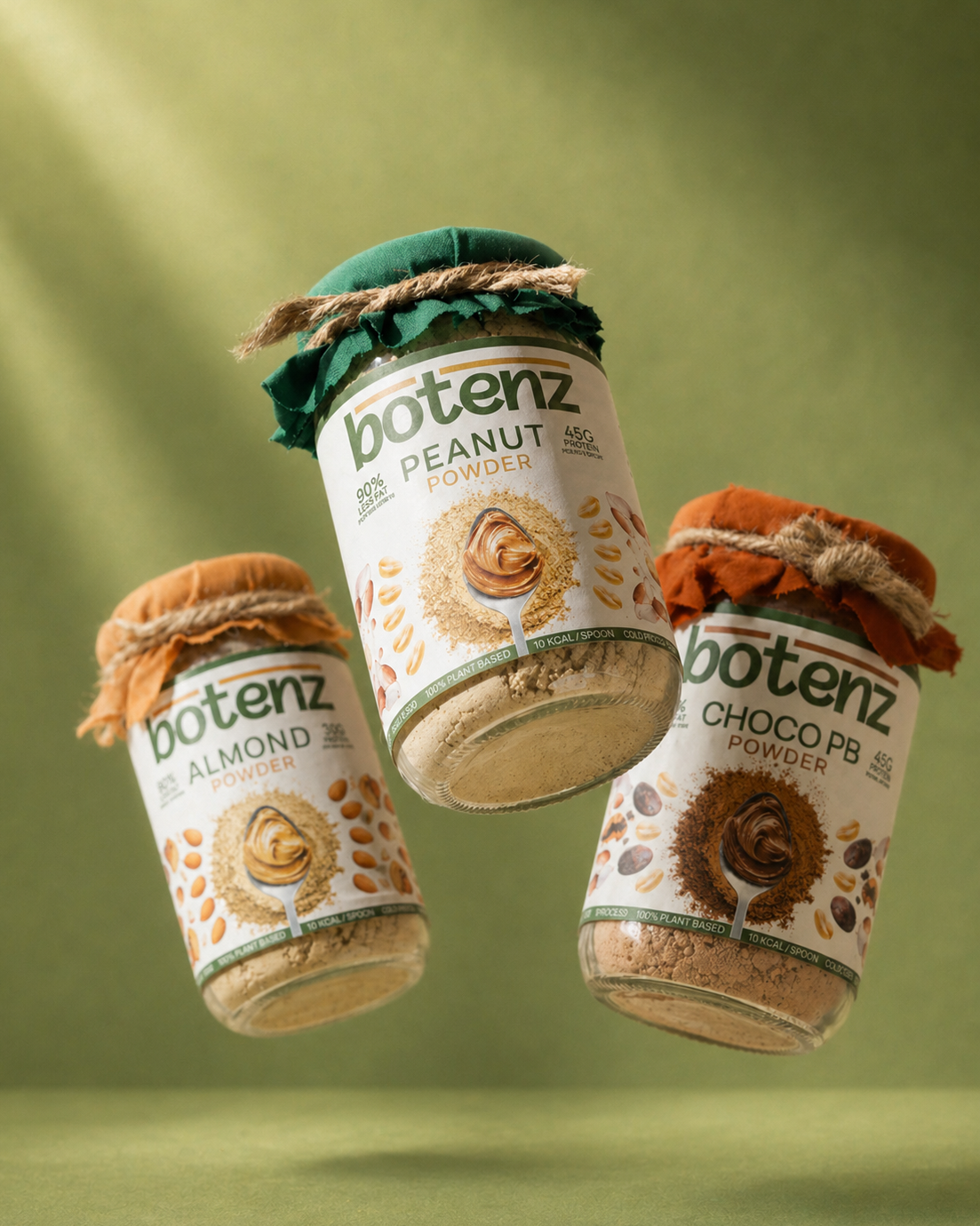
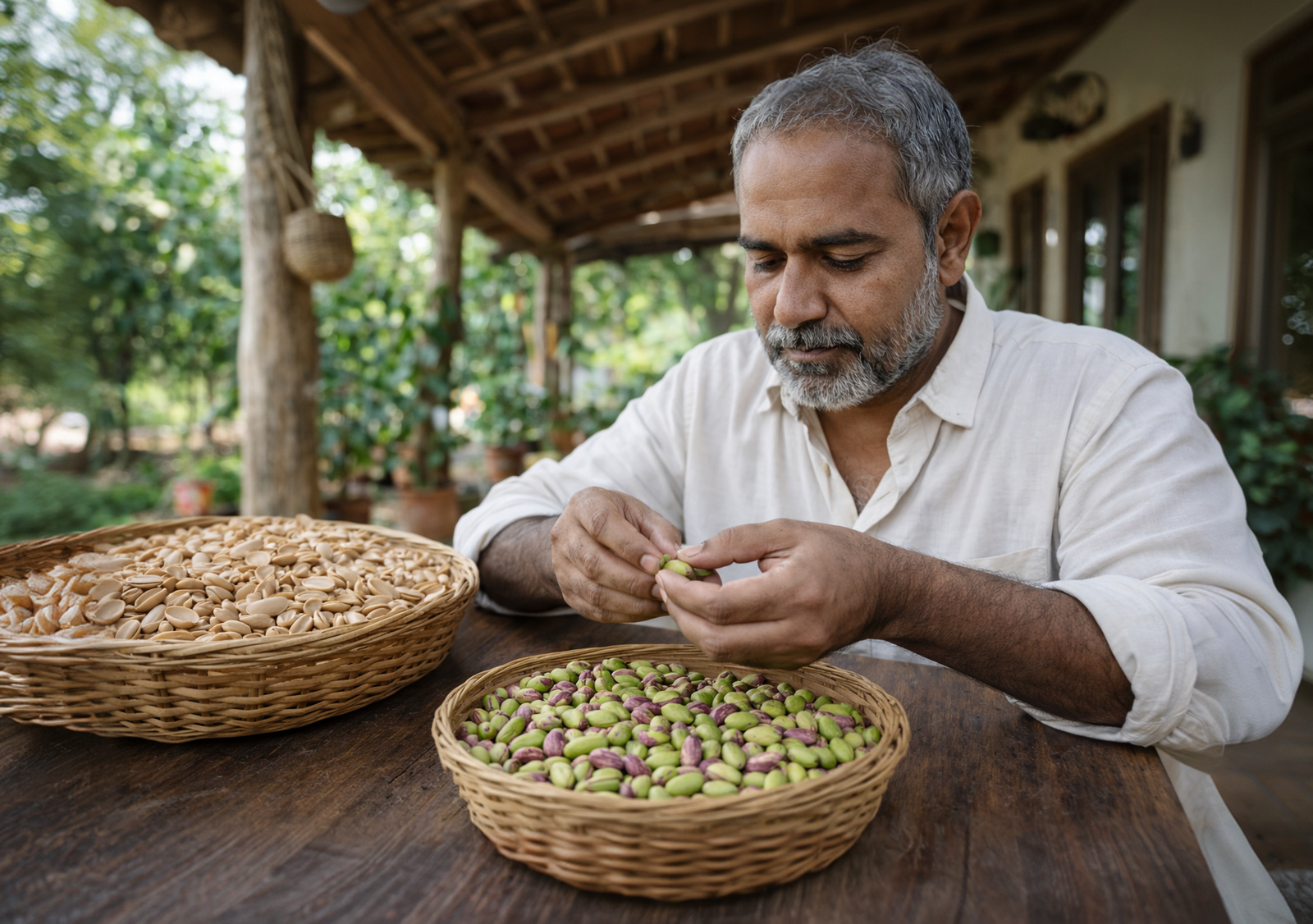
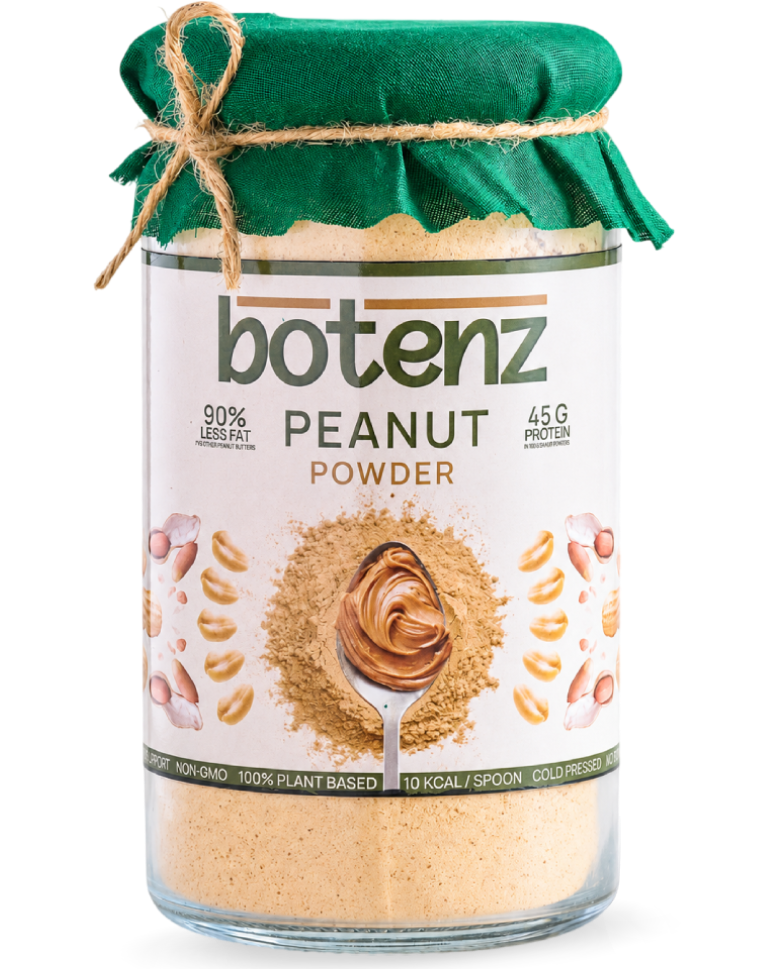
the taste difference is the first thing you notice. Botenz cold-presses whole peanuts using a 5-hour low-pressure process that extracts the fat without heat — which means the flavor stays intact. most brands rush the pressing with heat or high pressure. the difference shows up in the jar: Botenz tastes like roasted peanuts. others taste like peanut flour.
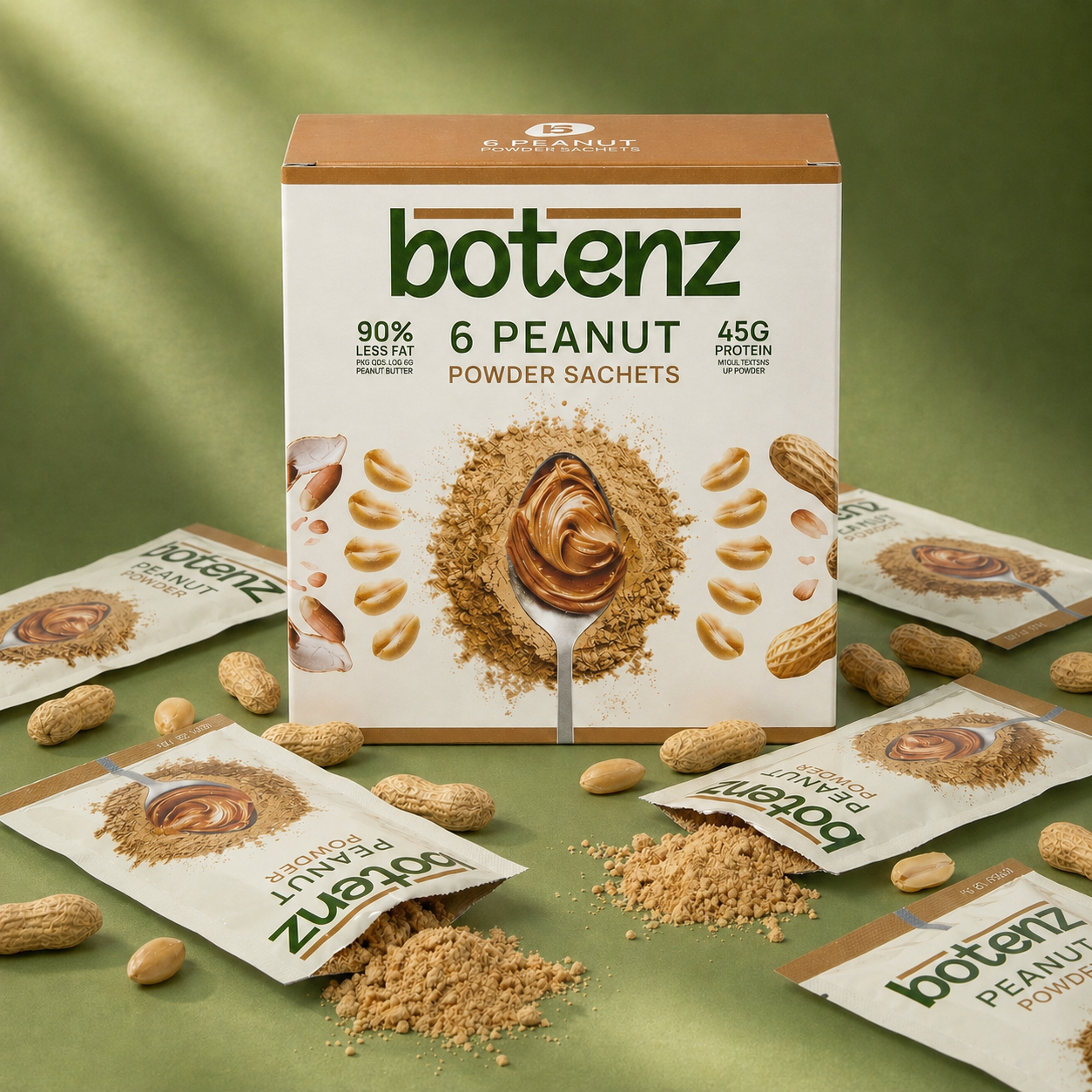
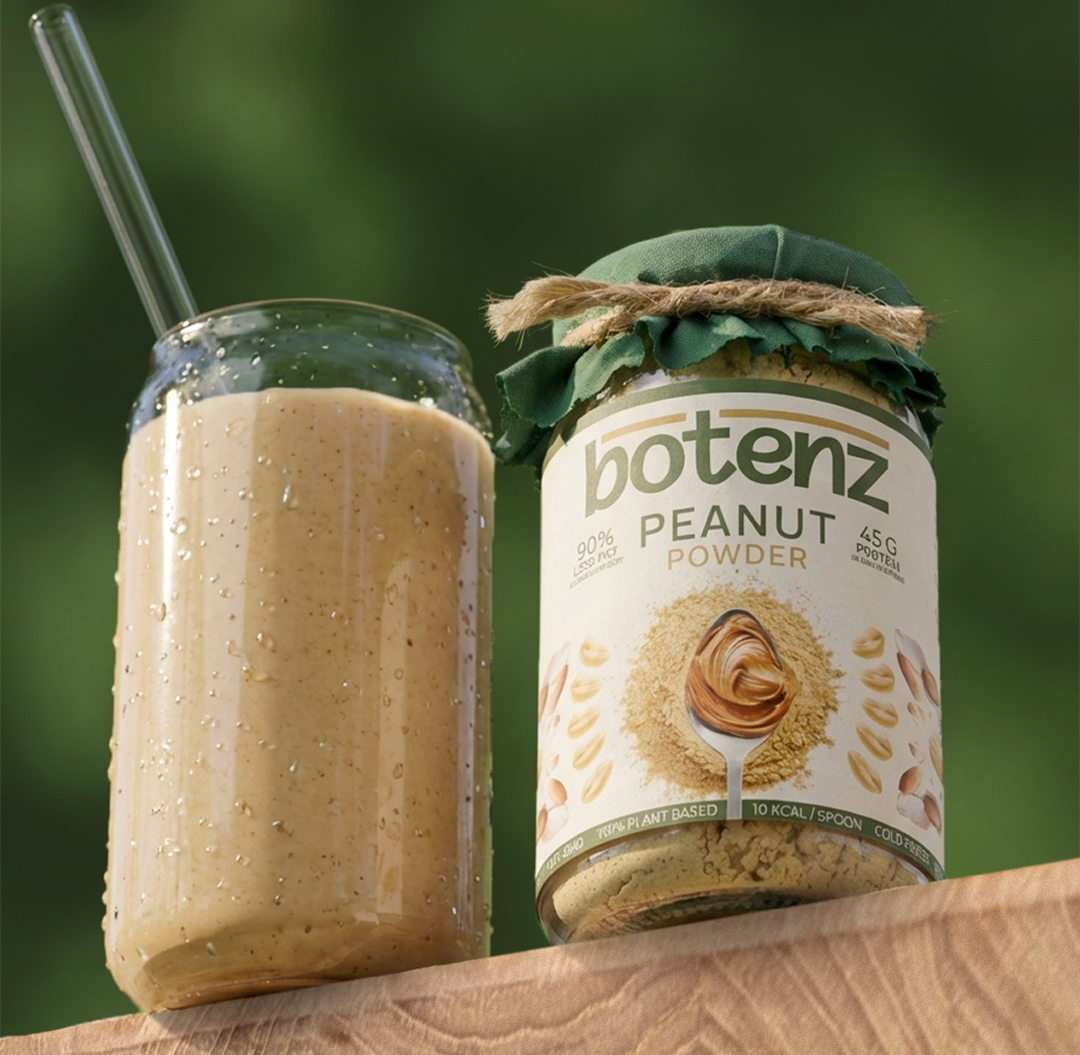
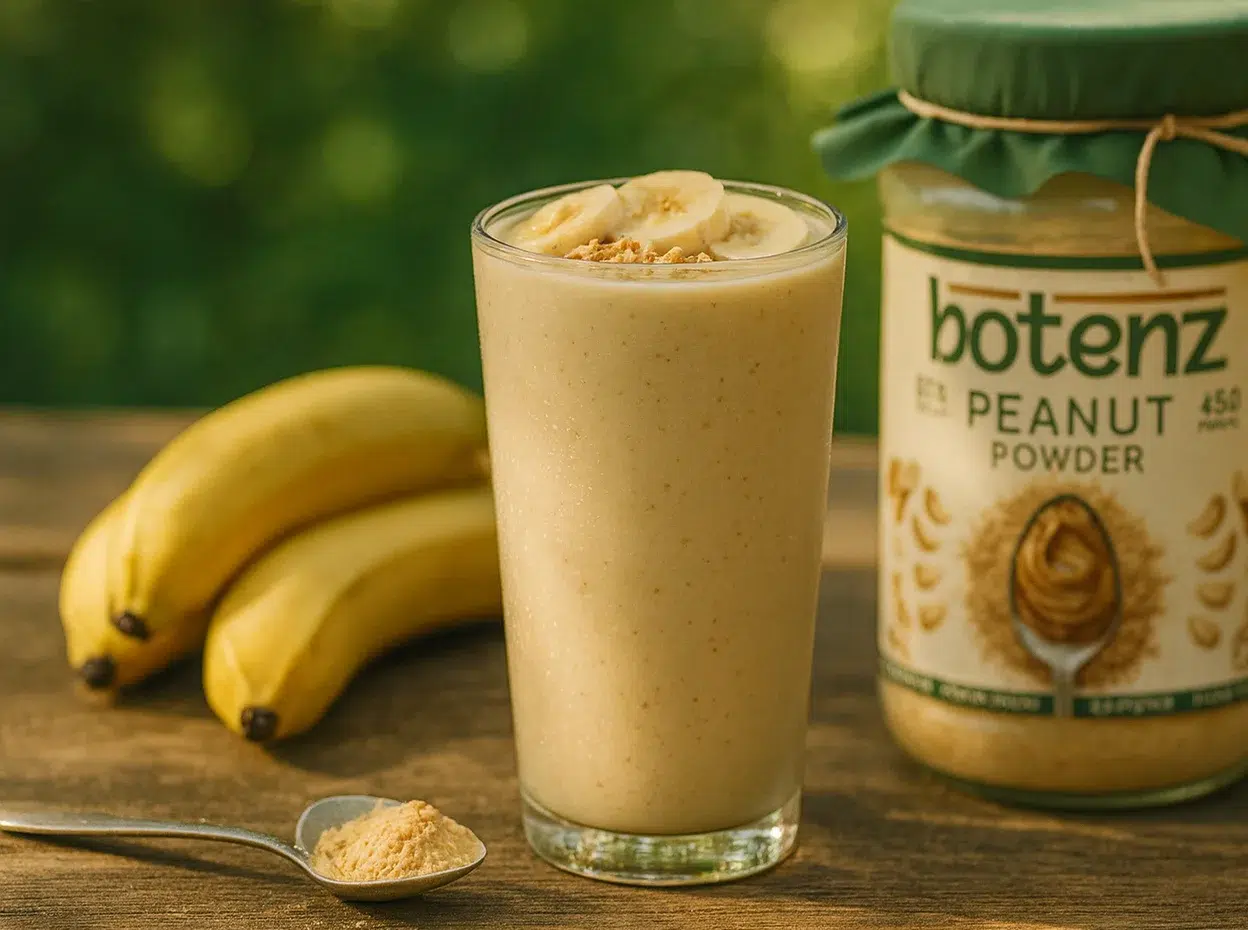
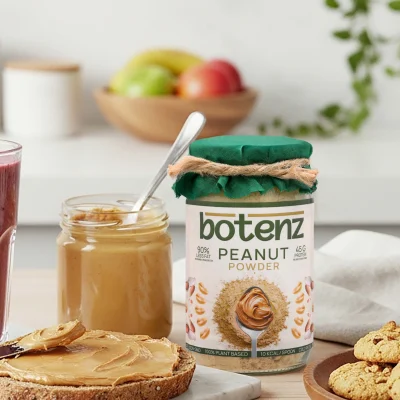
the nutrition: 45g protein per 100g, 13g fat, 90% less fat than regular peanut butter. three ingredients: peanuts (85%), coconut sugar, himalayan salt. no white sugar, no fillers, no additives. from an official product label — not an estimate.
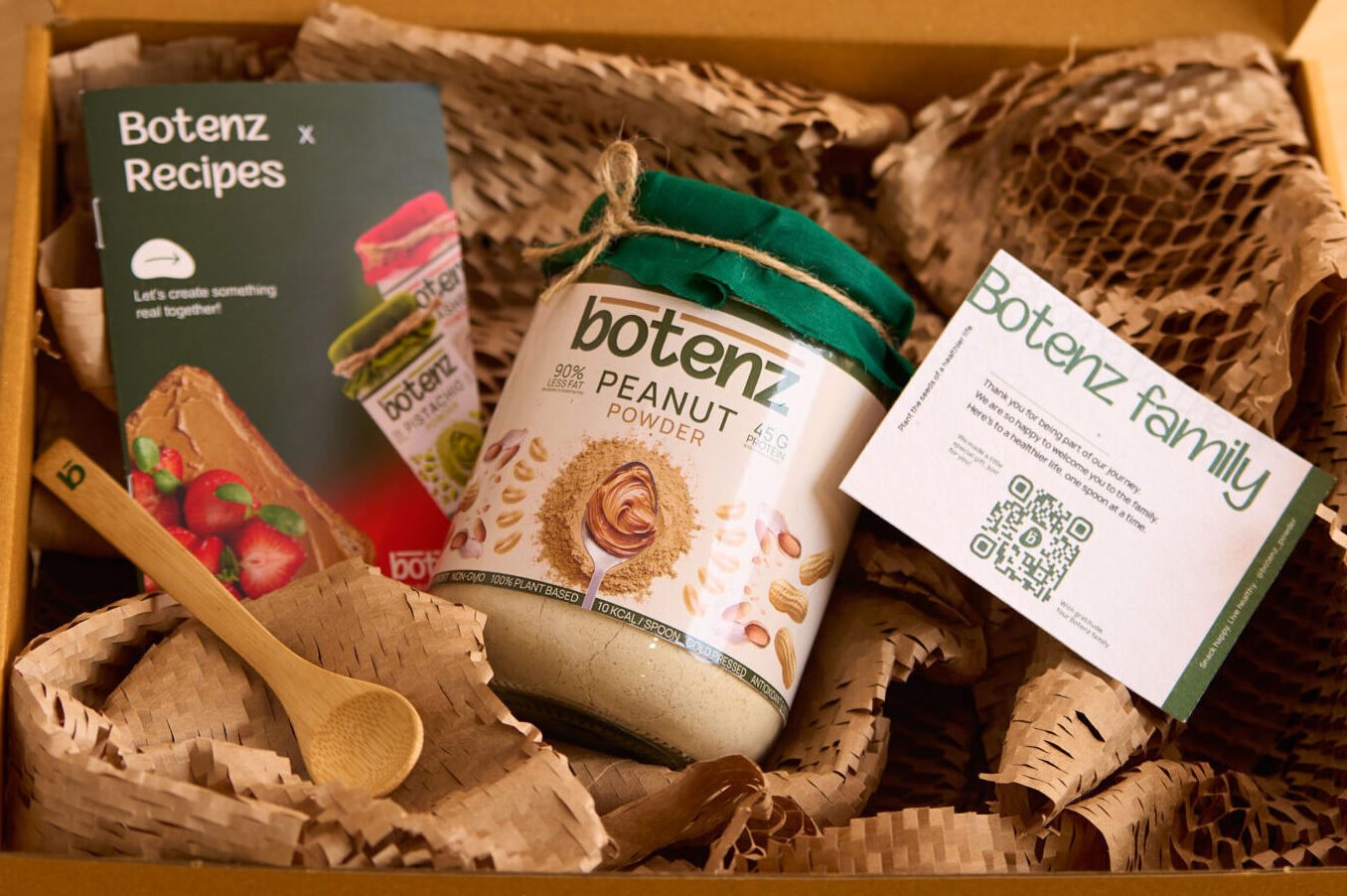
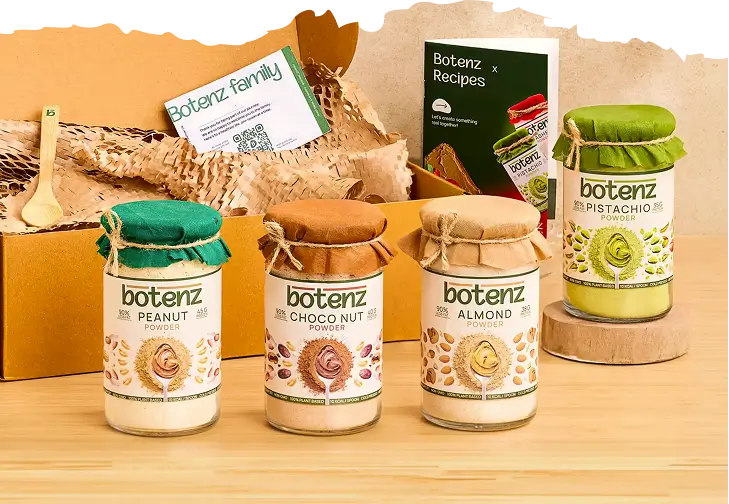
the glass jar matters: powder sits in its packaging for months. plastic leaches flavor compounds into food over time — you can taste it. and microplastics from plastic packaging get into the food. glass does neither. it's recyclable and adds nothing.
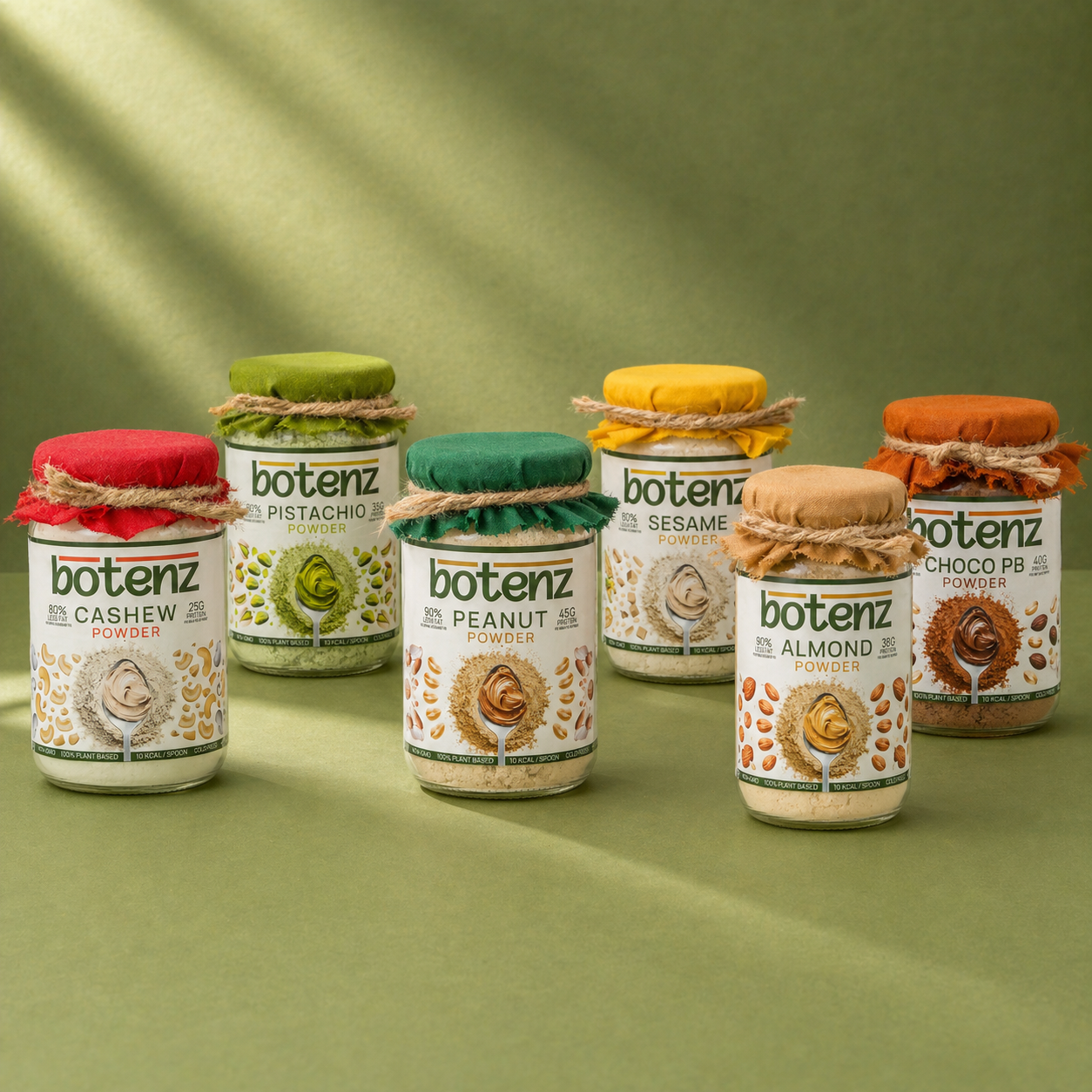
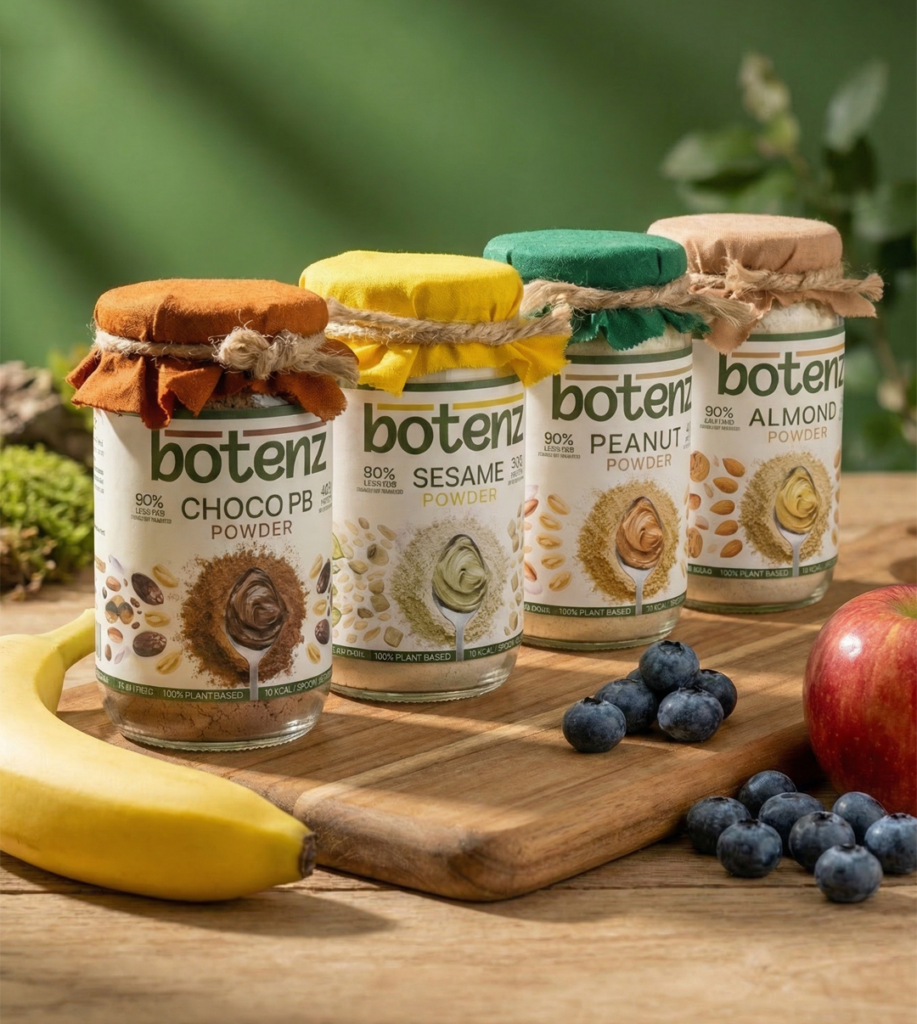
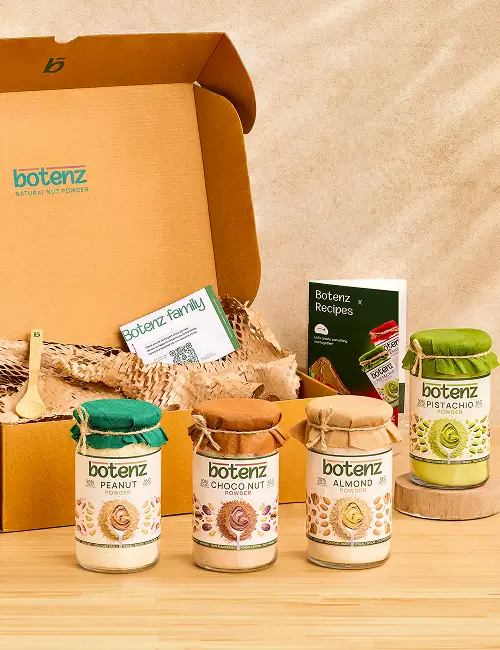
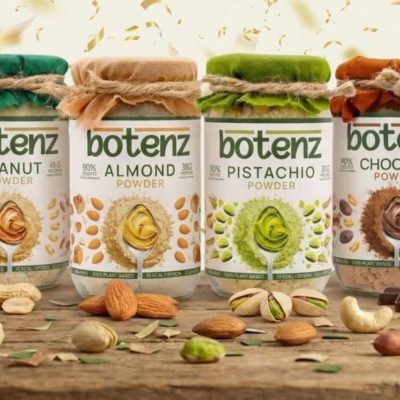
what separates Botenz from every other brand here: it's the only one that makes pistachio, sesame, cashew, and almond powder as well. if you cook Indian food regularly, the cashew powder for kurmas and the sesame powder for til laddoo are genuinely useful — not just novelty.
who it's for: anyone who wants taste, clean ingredients, glass packaging, and a full range of nuts — not just peanut. available directly from botenz.in.

MYPB appeared on Shark Tank India Season 5 and received investment — which validated the peanut butter powder category in India. they offer Original (44g protein), Pure (unsweetened, 50g protein), and Chocolate variants. founded in Amreli, Gujarat.
the product is solid for an entry-level Indian brand: good protein, competitive price, available on their website and Amazon India. the limitation: peanut only. no almond, no pistachio, no sesame. if you want to use powder across Indian cooking (not just smoothies), you'll run out of use cases quickly.
who it's for: someone who wants a budget Indian option and only needs peanut flavor.
Alpino claims 50% protein (50g per 100g) and 85% less fat — the highest protein concentration in this comparison alongside PBfit. this happens because aggressive defatting concentrates the protein.
the trade-off: single flavor, plastic pouch, no consumer-ready seasoning. it works for oats and smoothies. it won't wow you on taste, and the plastic pouch means flavor degradation if it sits in your kitchen for weeks. no added sugar, no added salt — purely functional.
who it's for: budget-conscious buyers who want maximum protein per rupee and don't care about taste or packaging.
PBfit is a well-known US brand — 50g protein per 100g and 87% less fat than regular peanut butter. comes in Original and Organic versions. nutrition data from USDA FoodData Central, so these numbers are verified.
the problem in India: import costs push the price to ₹500–₹700+ per 100g. you're paying 2–3× what Indian brands cost for the same protein density. and it comes in a plastic jar — not glass. ingredients: peanuts, coconut palm sugar, salt (same as Botenz).
who it's for: someone who specifically wants a US-certified product. not the best value choice for India.
NutriYog is a Gujarat-based brand offering peanut butter powder and some peanut butter cookies. they claim 80% less fat than regular peanut butter.
the challenge: limited availability and minimal public nutrition transparency. harder to find outside Gujarat, and protein/fat claims need direct label verification. not a mainstream pick.
who it's for: buyers who specifically want to support a small Gujarat brand and can access it locally.
PB2 by Bell Plantation is the original powdered peanut butter — invented in the US and still the benchmark. 46g protein per 100g and 90% less fat (USDA verified).
the problem in 2026: there is no good reason to import PB2 when better-value Indian alternatives exist. it costs ₹500–₹600+ per 100g in India (import prices), comes in plastic, and doesn't offer anything Indian brands can't match. awareness is declining as Indian brands improve.
who it's for: nostalgic buyers or people with very specific brand loyalty. not recommended as a first purchase in India.
Sattvic Foods makes a defatted peanut flour sourced from Gujarat farmers, women-owned business. the fat content is extremely low (~3%) and the protein concentration is among the highest as a result.
but this is a flour, not a consumer peanut butter powder. no added flavoring, no consumer-ready format. it doesn't reconstitute into a spread you'd want to eat. it's excellent for baking (adding protein to rotis, laddoos, energy bars) but not for spreading or drinking.
who it's for: bakers specifically. not a daily use peanut butter powder replacement.
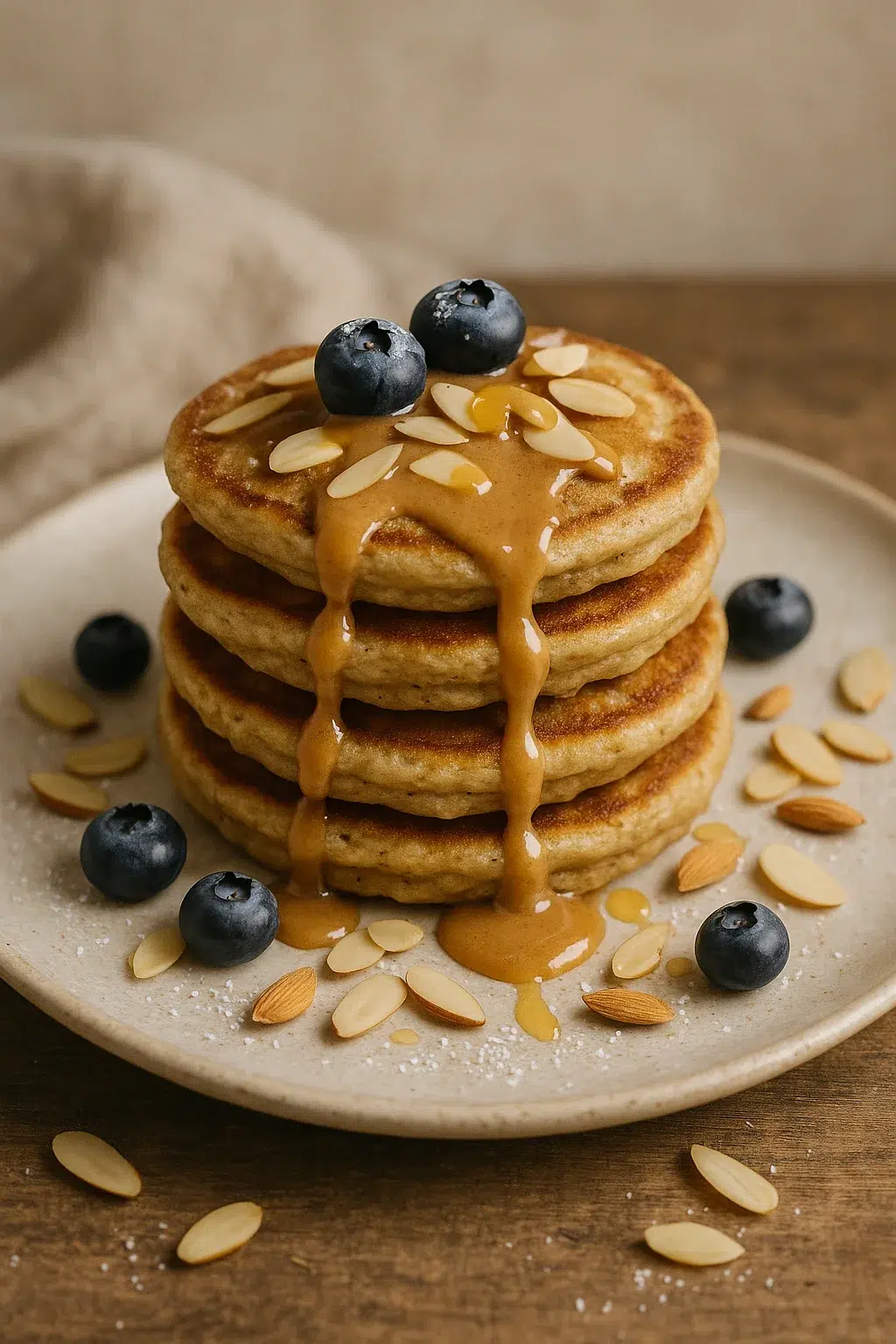
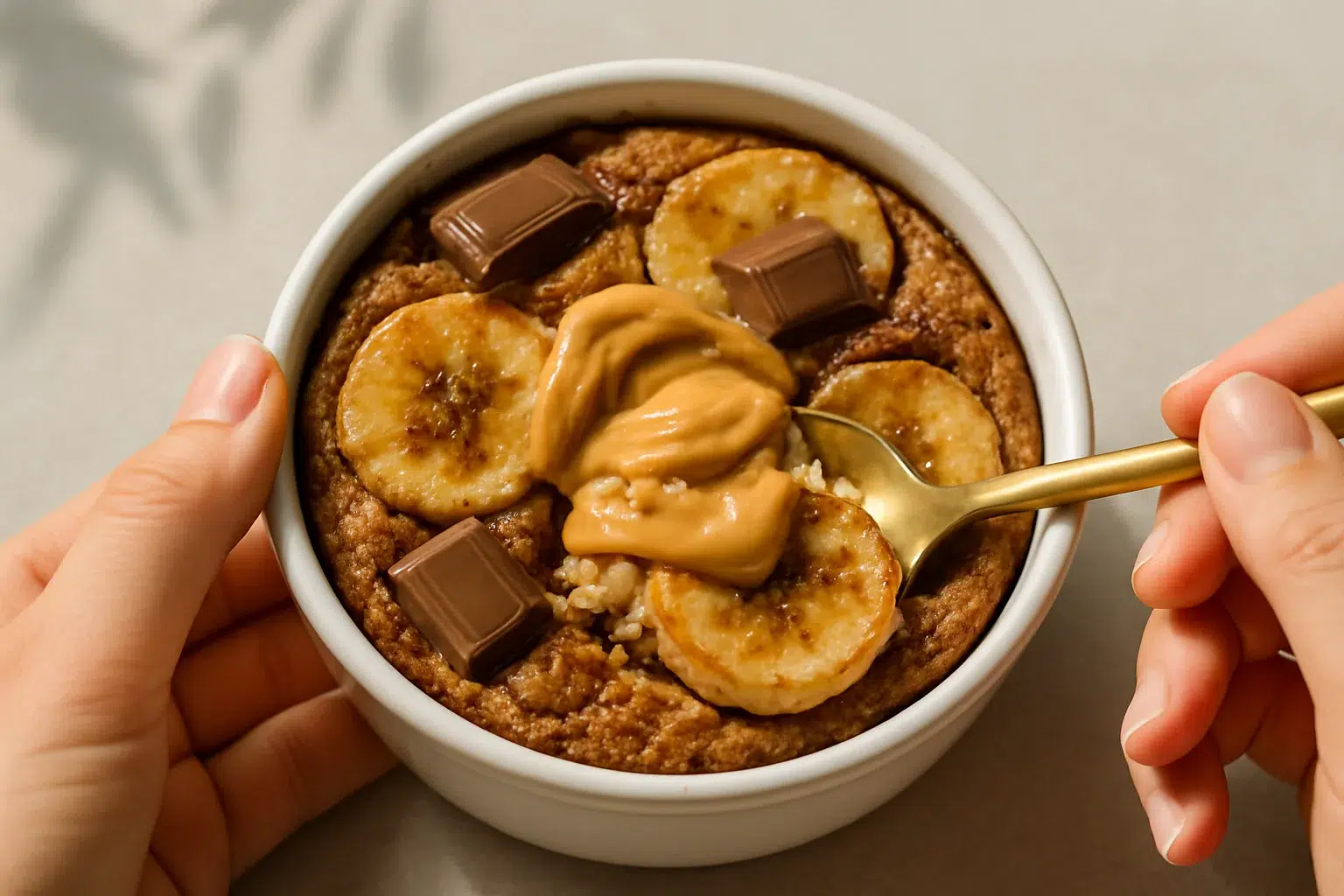
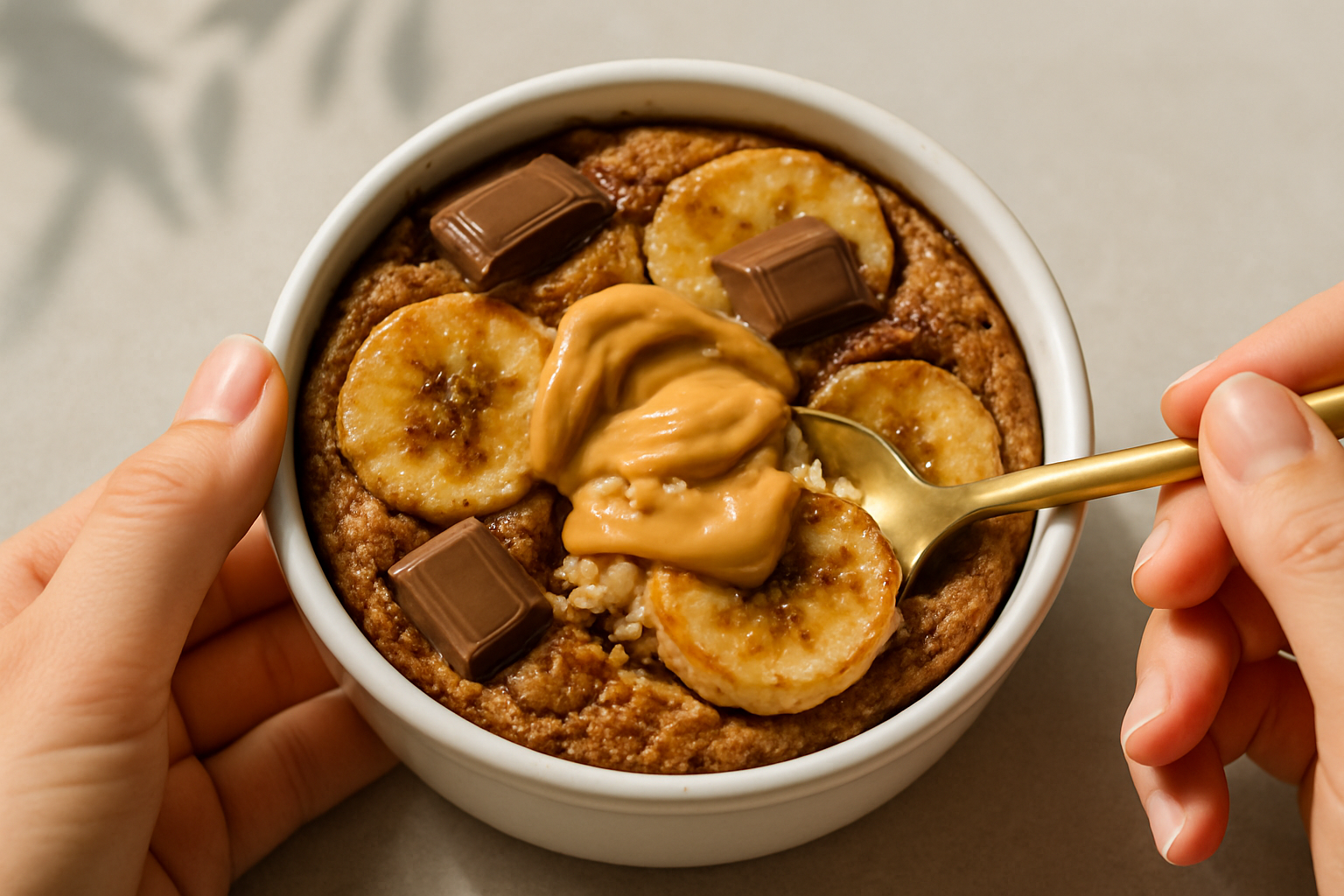
the most useful ways to use peanut butter powder in indian cooking:
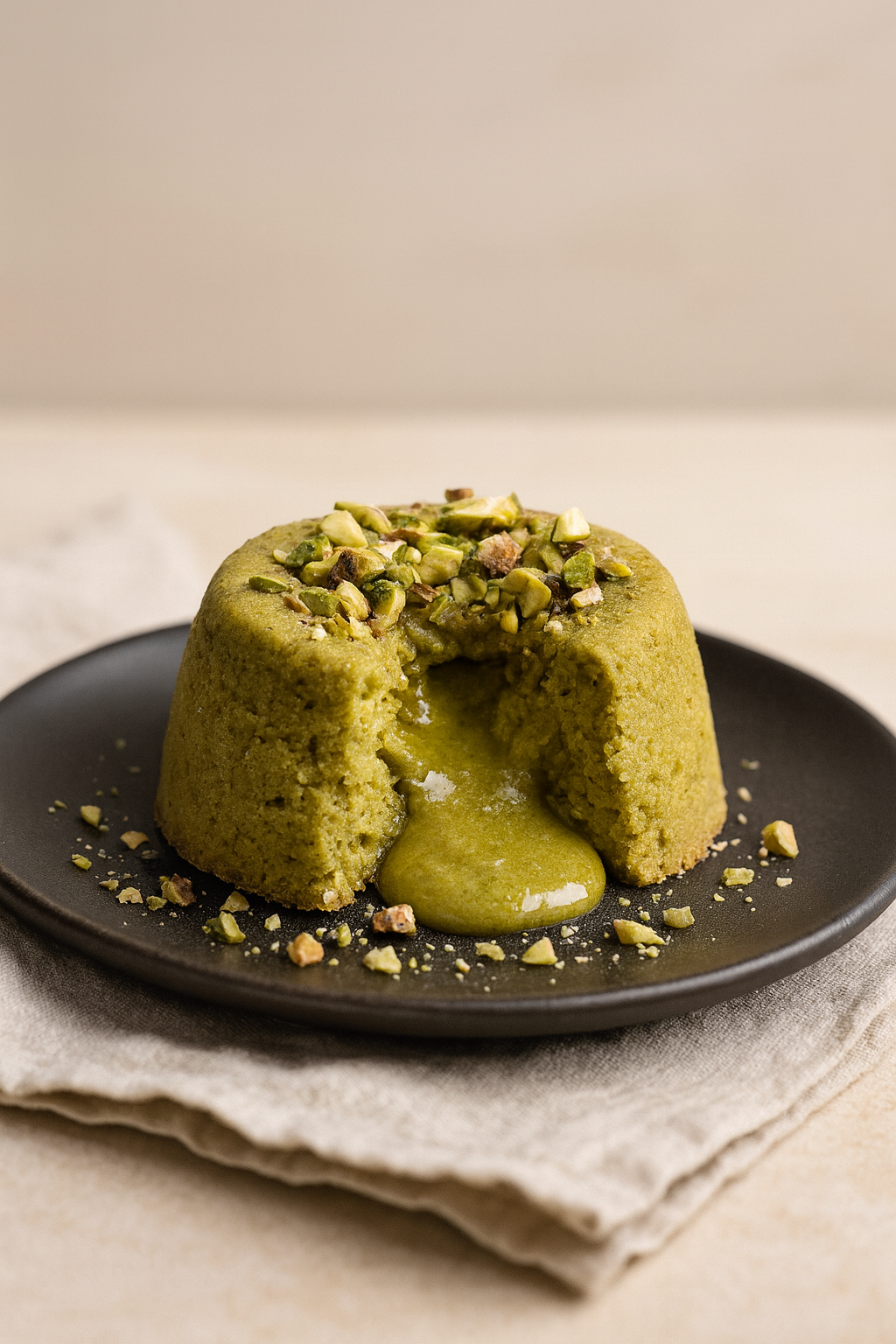
for pistachio lattes, sesame-based sweets, and cashew curry cream, see the full Botenz recipe guide.
the most common question: should I switch from regular peanut butter to powder? the answer depends on what you use it for.
use powder when: you’re adding it to oats, smoothies, dosas, lattes, or Indian cooking — anywhere the fat would make the dish heavy or greasy. powder dissolves; regular PB doesn’t. and the calorie saving is real: 2 tablespoons of regular PB = ~190 calories. the same amount of powder = ~65 calories, with more protein.
use regular PB when: you’re making a sandwich or directly spreading onto bread or crackers and want the thick, fatty texture. powder reconstituted with water makes a passable spread, but regular PB wins on texture for direct spreading.
most people end up using both — powder in cooked and mixed applications, regular PB for direct eating.
our verdict
if you’re buying peanut butter powder in india for the first time, buy Botenz — not because it has the highest protein (Alpino and PBfit edge it out), but because the taste is noticeably better (cold-press), the glass jar protects the product, and it’s the only brand here that gives you 6 different nuts for every Indian meal — not just peanut for smoothies.
if maximum protein per rupee is all that matters: Alpino.
if you want to support a Shark Tank-validated Indian brand: MYPB.
if you’re importing anyway: PBfit over PB2 (better fat removal, same price range).
best overall: Botenz — best budget: Alpino — best Shark Tank: MYPB — best imported: PBfit
Per Serving
Per Serving
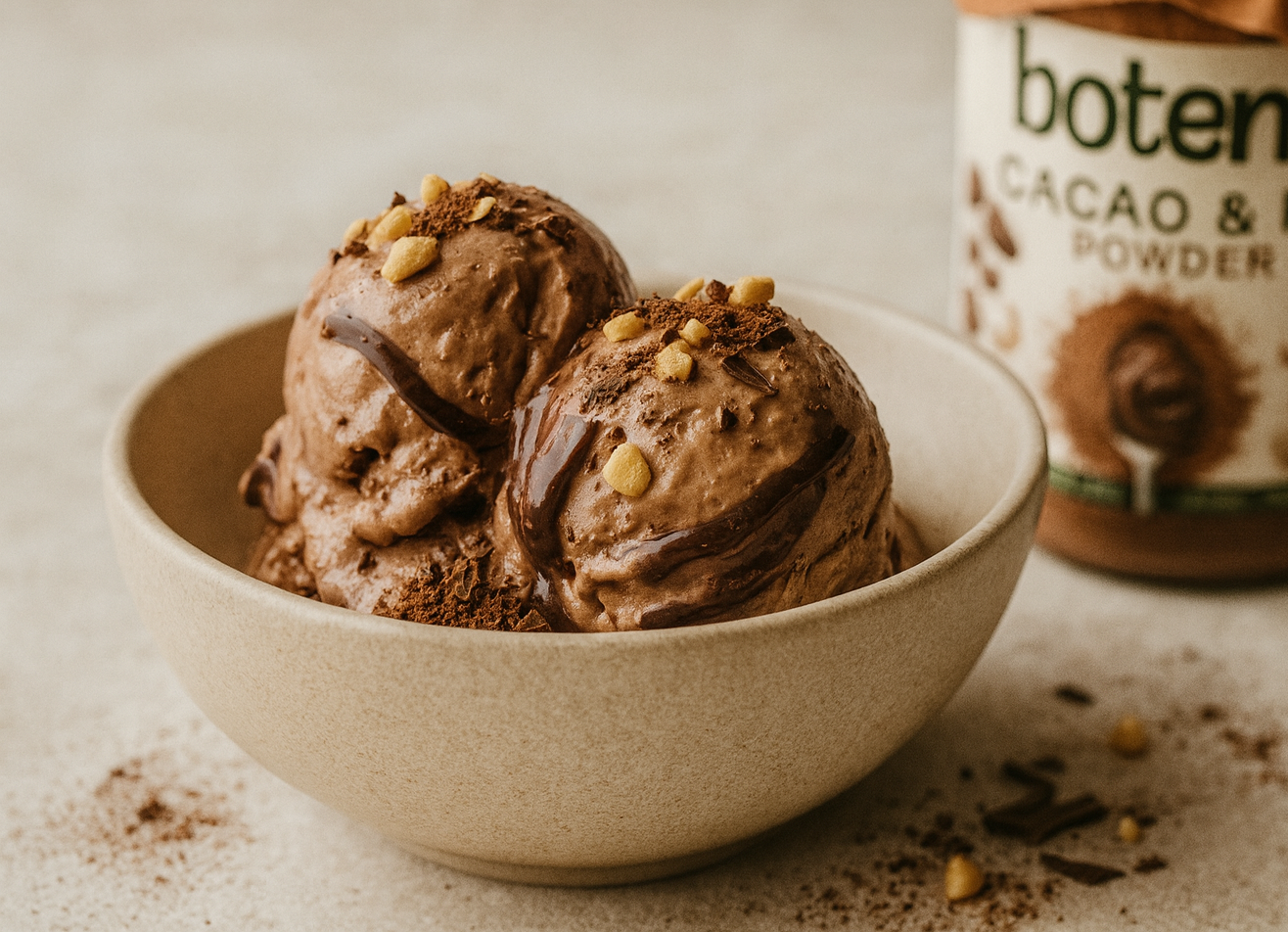
Botenz is India’s only full-range defatted nut butter brand — six powders (peanut, almond, pistachio, cashew, sesame, peanut cacao), cold-pressed from whole nuts, in glass jars. 1–3 natural ingredients. no white sugar. no fillers. explore all 6 powders at botenz.in.
WhatsApp us 24/7🥜
I’m Elad Lavi, the founder of Botenz. After living in India, I realized something: people here care about health—but “better-for-you” products here often use the same tricks—just better marketing.
So I built Botenz for European standards, kept it clean and simple, and focused on nuts—because India already values them as premium nutrition, and we make them even better: more of the good stuff, with much less oil.
Botenz is my mission—to make better nutrition feel normal.
— Elad Lavi, Founder
Others chase flavor with additives. We keep it real.
We pack Botenz in glass, not plastic, to keep the powder pure—no microplastics, better freshness, and real natural taste. Inside, it’s just 1–3 natural ingredients with no refined sugar, no fillers, and no gums. We use the most natural process.
Botenz exists to make better nutrition feel normal in India—clean, premium, and easy to trust. Start with one jar and taste the difference: real nuts, less oil, zero tricks.
Claim This
Limited Discount