...
0
0.0

why we make 6 nut powders — and nobody else does

6 nut
powders

nutrition
data

7 min
read

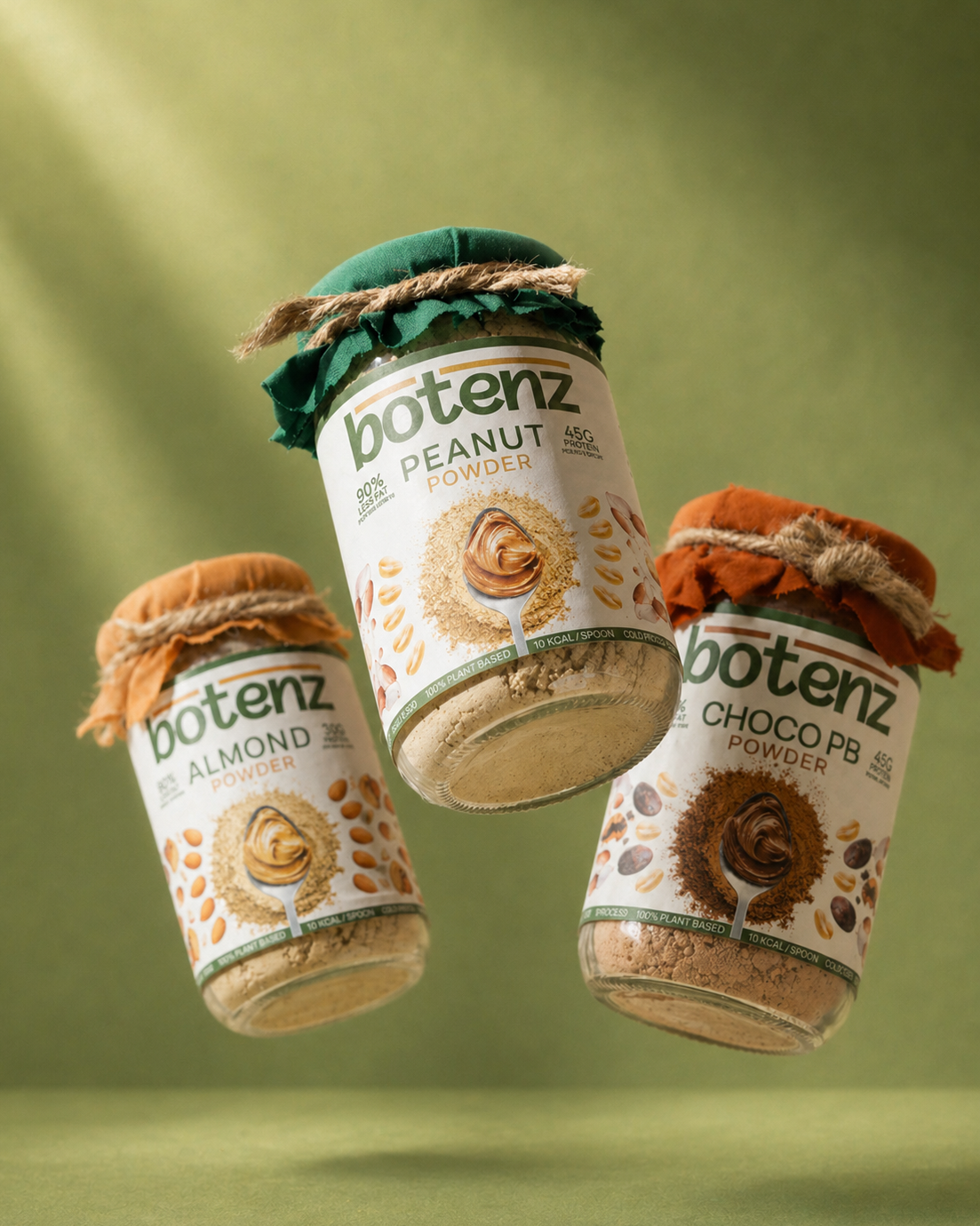
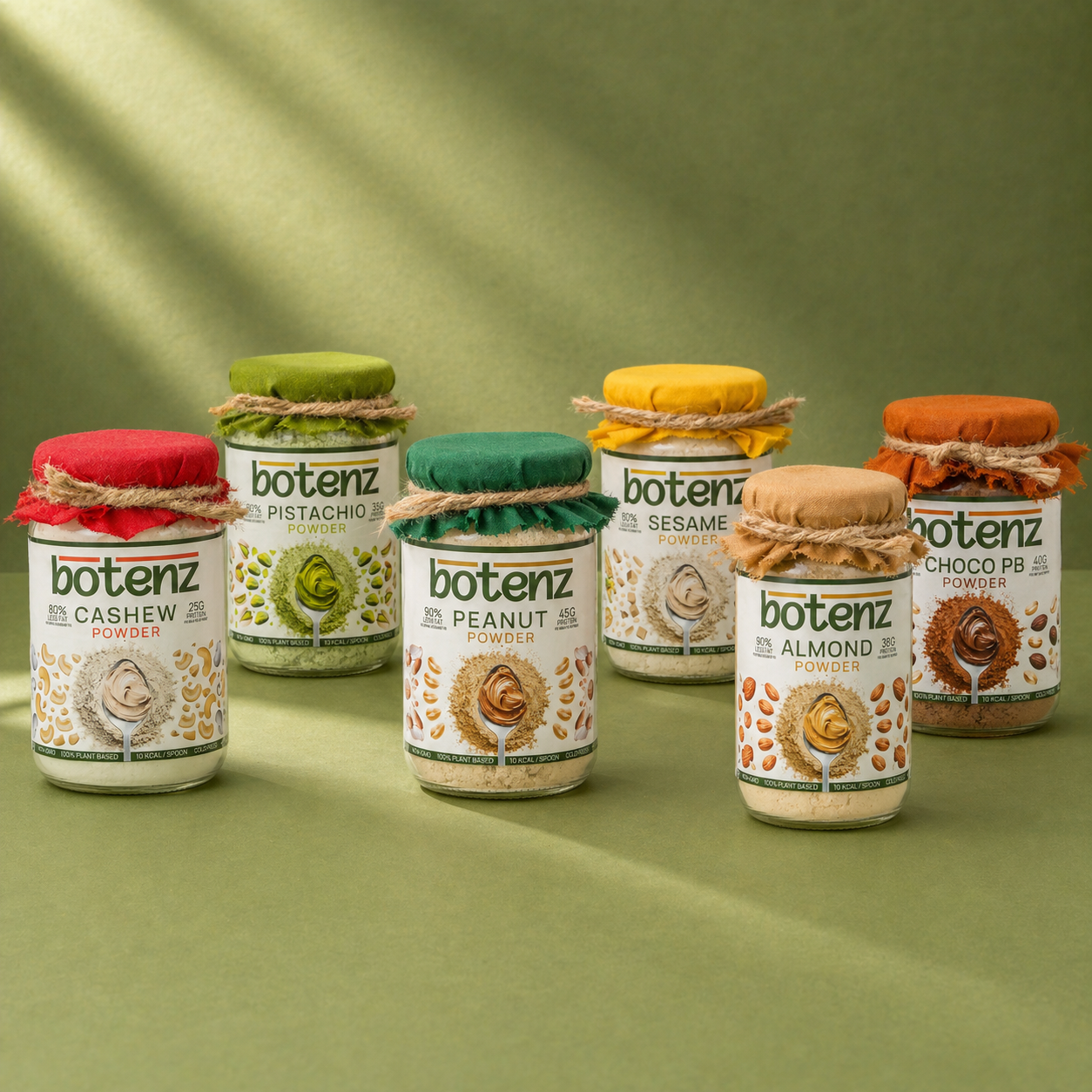
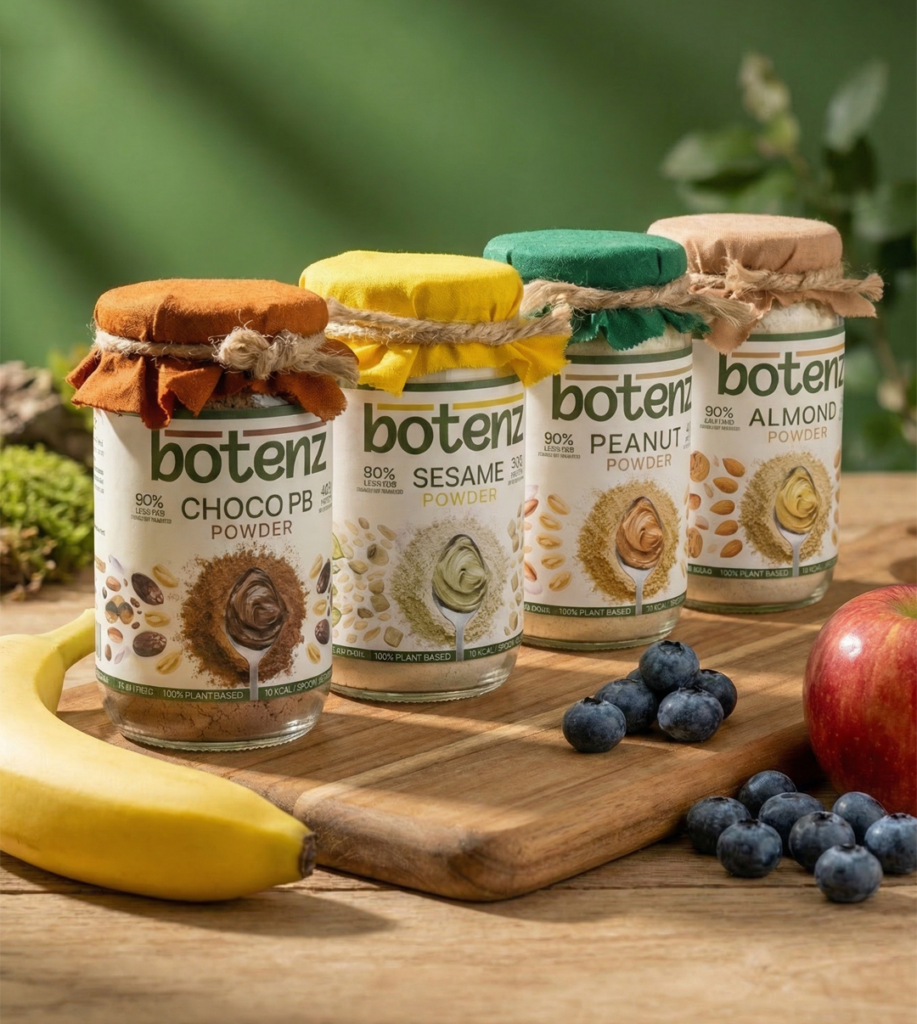
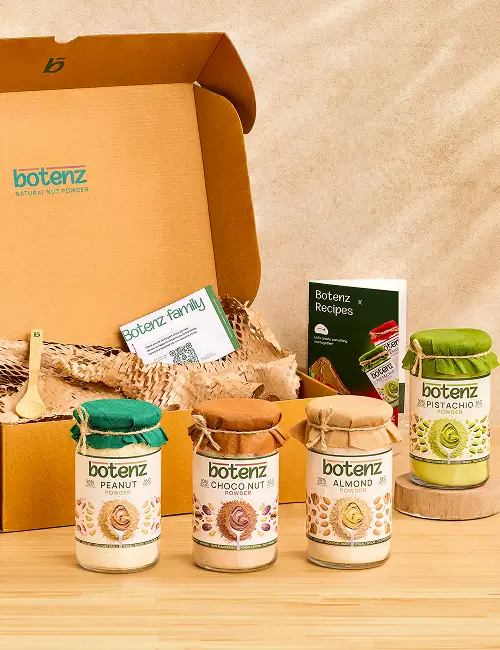
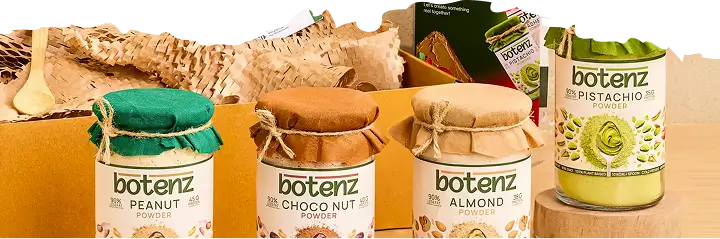
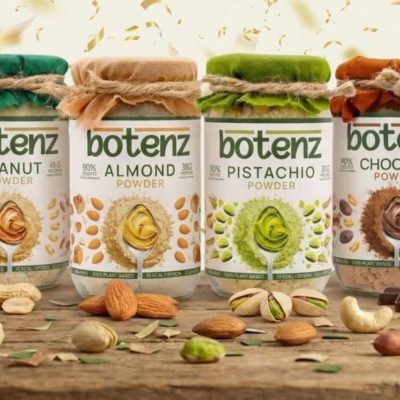
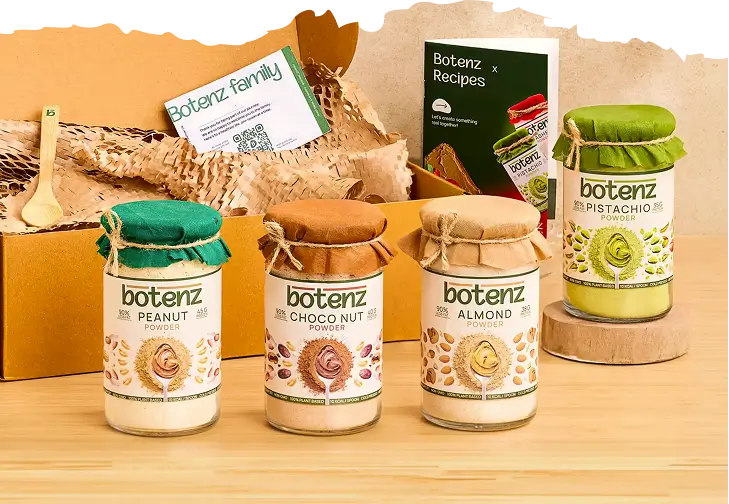
every nut butter powder brand in India makes peanut. only peanut. we cold-press six — peanut, almond, pistachio, sesame, cashew, peanut cacao — because Indian kitchens never used just one nut.

walk into any Indian supermarket. go to the health food aisle. you’ll find peanut butter powder. more peanut butter powder. maybe a second brand of peanut butter powder. MYPB, PBfit, PB2 — every brand sells one thing.

now walk ten meters to the spice section: sesame seeds, cashew pieces, pistachio slivers. baking aisle: almond flour. mithai counter: every nut represented, in everything.

the Indian kitchen already uses every nut. the nut butter powder industry pressed only one. this article explains why we made a different decision — and why the nutrition backs it up.

Why We Make 6 Nut Powders — And Nobody Else Does

why six: the short version

every nut butter powder brand in India offers only peanut — we offer six

Indian kitchens use 5+ nuts daily: badam, kaju, til, pista, mungfali

each powder: 90% less fat, concentrated protein (26–45g per 100g)

cold-pressing removes fat and nearly doubles protein density vs whole nuts

6 powders = one for every meal: oats, curry, latte, halva, baking, kids' drinks

the one-nut problem

India’s nut butter powder category has a diversity problem. we mapped every brand available in India. the result:

almost every single one sells peanut powder only. a handful add almond. none make sesame powder. or pistachio. or cashew. the entire category — built for Indian consumers — ignores the nuts that Indian consumers actually use every day.

nut butter powder brands in India: flavor range comparison
Botenz
MYPB
PBfit
PeanutAlmondPistachioSesameCashewCacao
Botenz
MYPB
PBfit
PB2
The Peanut Butter Co.
Pintola
Botenz market research, April 2026. Product ranges as listed on brand websites.

this isn’t a quality issue. these are fine brands. the problem is structural: the global nut butter powder category was built around American peanut butter culture. peanut butter is 85% of the US market — so peanut butter powder follows the same logic.

but India isn’t the US. Indian cooking uses almonds in chai, cashew in gravy, sesame in chutney, pistachio in halva. the nut vocabulary here is five times wider. the category just didn’t catch up.

what Indian kitchens already know

Indian food has been using nut-based nutrition for centuries. the knowledge isn’t missing — the modern format is.

here’s how Indian kitchens already use the nuts that the powder industry ignores:

6 nuts indian kitchens use every day
badam (almond)
chai, kheer, payasam, badam milk — ground almonds are a daily staple
kaju (cashew)
cream gravies, korma, shahi paneer, butter chicken — kaju paste is essential
til (sesame)
til chutney, til laddoo, chikki, tahini-style dips — a mineral powerhouse
pista (pistachio)
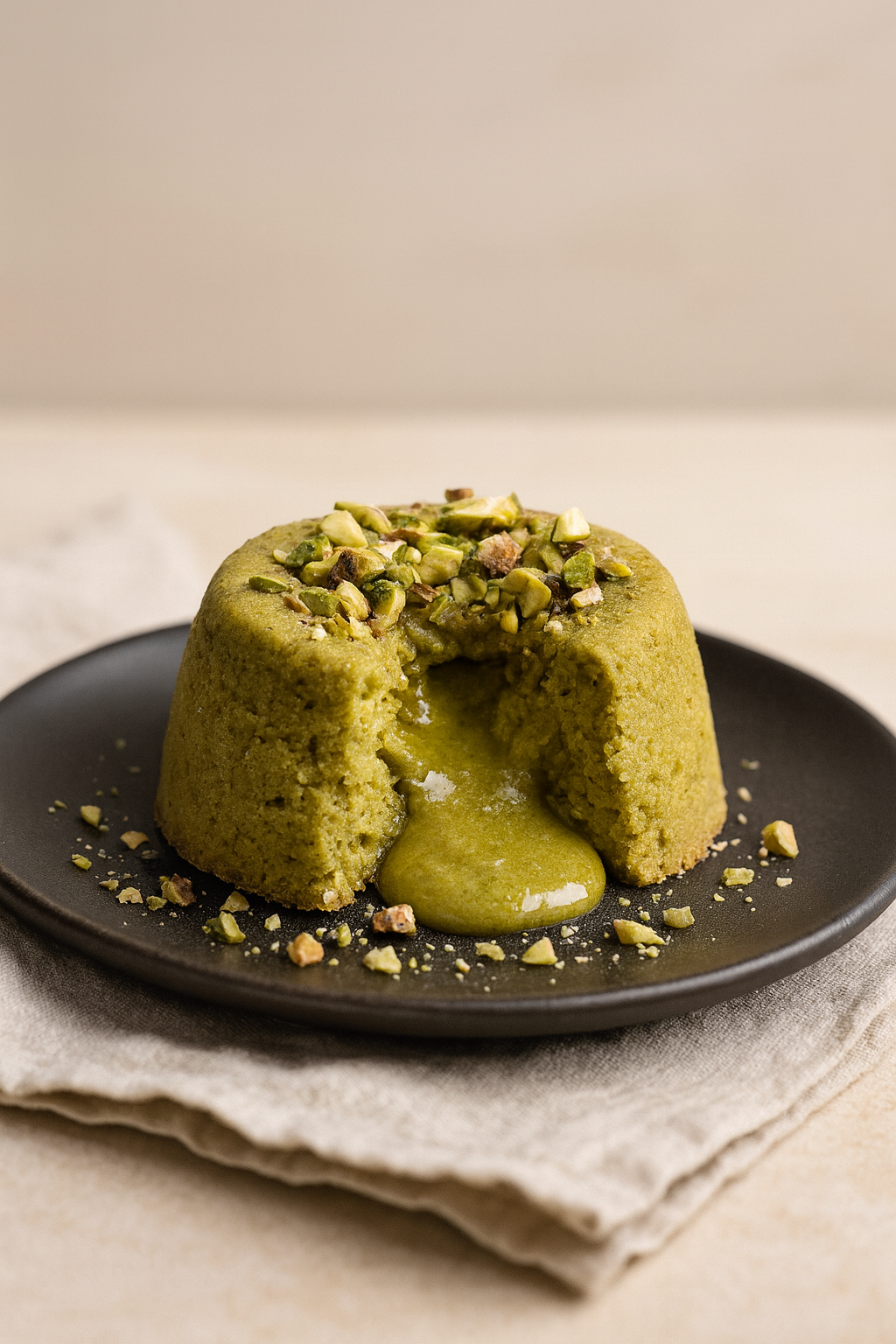
kulfi, halva, burfi, garnishes — the premium nut in Indian sweets
mungfali (peanut)
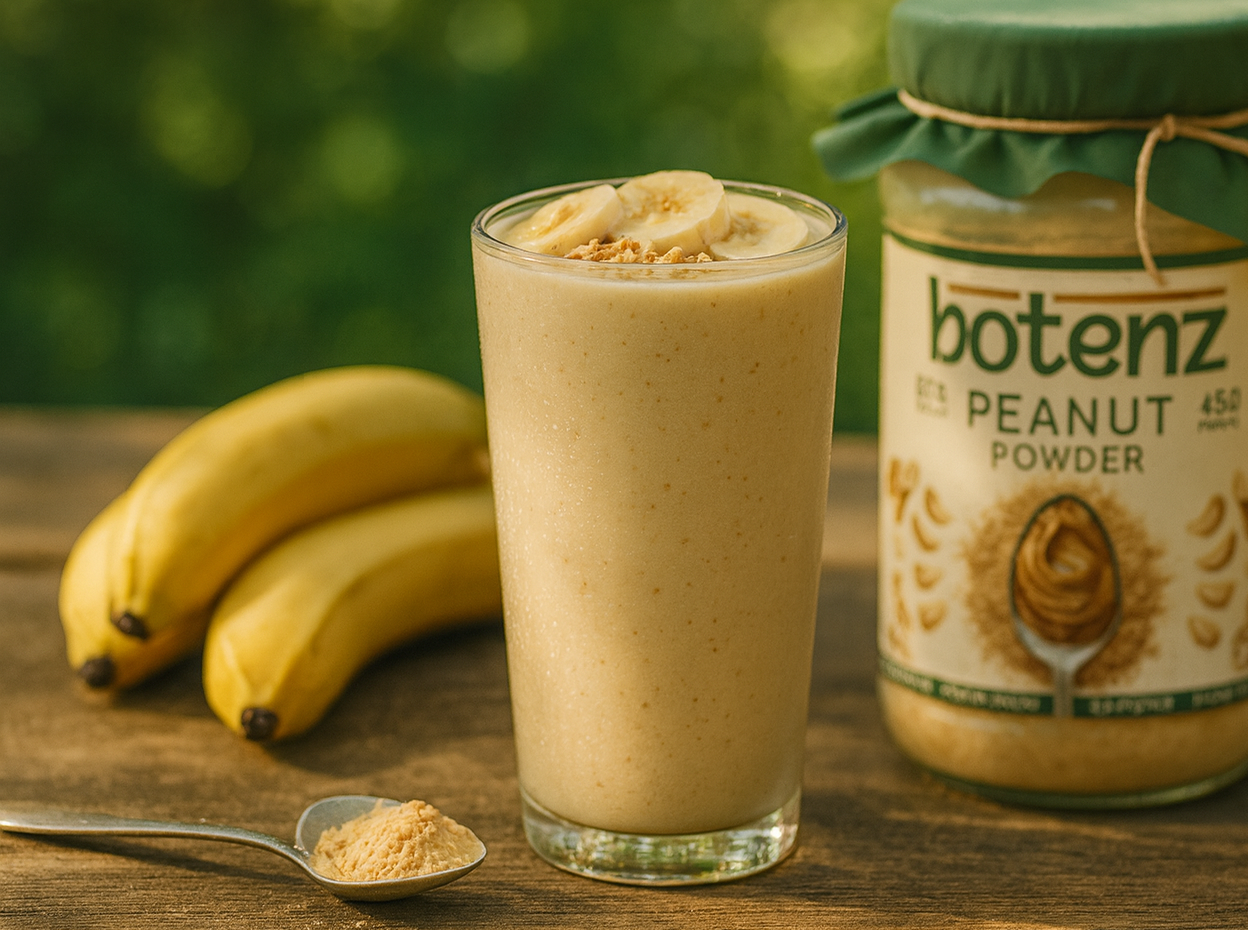
chutney, chikki, snacks, oats — the everyday protein nut of India
peanut + cacao
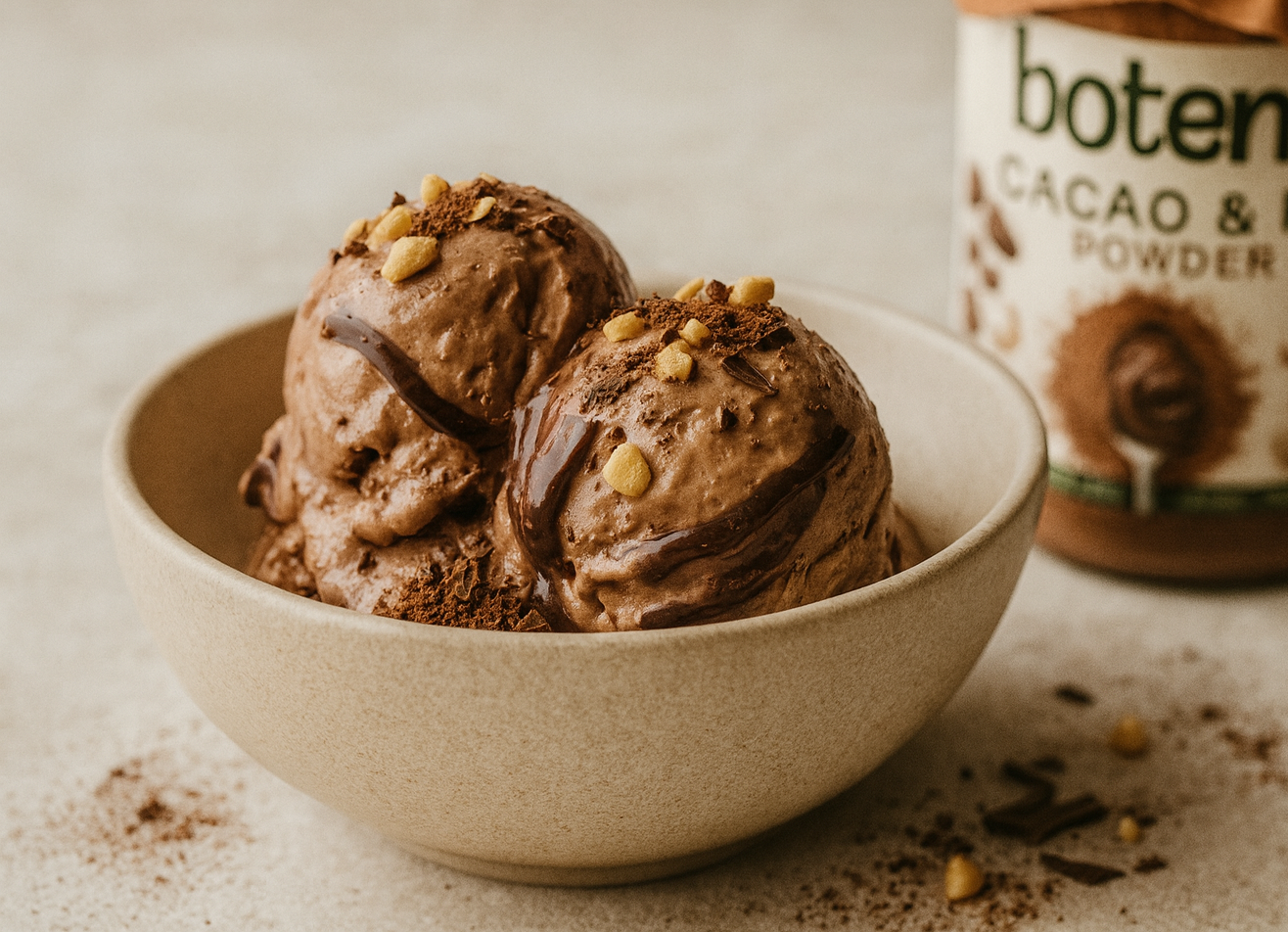
chocolate milk replacement, smoothies, baking — kids' favorite flavor

the nutrition behind six nuts

variety isn’t just about taste. each nut has a different nutritional profile. cold-pressing — physically squeezing out the oil — removes 80–90% of the fat and concentrates everything else: protein, fiber, minerals.

here’s what happens to protein density when you cold-press each nut:

protein per 100g of cold-pressed powder (grams) Peanut 45g Peanut Cacao 40g Almond 38g Pistachio 34g Sesame 30g Cashew 26g Botenz product labels (2026), verified against USDA FoodData Central botenz.in
protein per 100g of cold-pressed powder
Peanut45g
Peanut Cacao40g
Almond38g
Pistachio34g
Sesame30g
Cashew26g

a whole peanut has about 25g of protein per 100g — decent, but more than half its weight is fat. cold-pressing removes the oil, and the protein-to-weight ratio nearly doubles.

the same principle applies to every nut. almond goes from ~21g protein in whole form to 38g as pressed powder. pistachio from ~20g to 34g. the protein was always in the nut. the fat was hiding it.

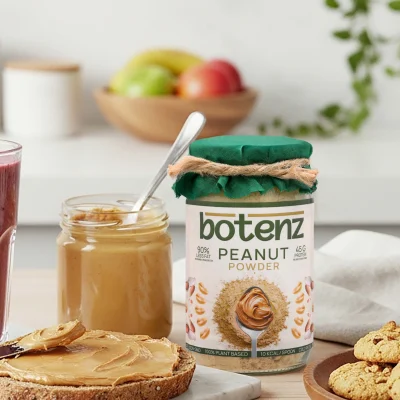
and here’s the calorie difference: 100g of regular peanut butter = 588 calories — nearly a third of your daily intake. 100g of peanut powder = 431 calories, with nearly double the protein. when you only need 30g per serving (three tablespoons), that’s about 130 calories for 13g of protein. the efficiency is the whole point.

frequently asked questions
why doesn't anyone else make 6 nut powders?
the global nut butter powder industry was built around peanut butter culture (US-centric). most brands follow the peanut-only model because it's simpler to manufacture and market. launching 6 SKUs requires sourcing 6 different nuts, 6 cold-press setups, and 6 different formulations. it's harder. but for Indian kitchens, it's necessary.
what's the difference between nut powder and nut butter powder?
regular nut powder or nut flour is made by grinding whole nuts — fat and all. it's oily, clumps easily, goes rancid faster, and the protein is diluted by fat. nut butter powder is cold-pressed first to remove 80-90% of the fat, then powdered. the result is lighter, dissolves better, and has nearly double the protein density.
which Botenz powder has the most protein?
peanut butter powder leads with 45g protein per 100g. almond follows at 38g, peanut cacao at 40g, pistachio at 34g, sesame at 30g, and cashew at 26g. for maximum protein, go with peanut or almond. for variety and daily use across meals, rotate all six.
can I use these powders in traditional Indian cooking?
yes — that's exactly what they're built for. cashew powder dissolves into gravies just like kaju paste. sesame powder works in til chutney and laddoo. almond powder goes into badam milk and payasam. pistachio into kulfi and halva. they replace the whole-nut prep (soaking, grinding, straining) with one scoop.
are all six powders cold-pressed?
yes. every Botenz powder is made by cold-pressing the roasted nut to extract the oil mechanically. no chemical solvents, no hexane extraction. peanut, almond, pistachio, and peanut cacao have 90% less fat than their butter equivalents. cashew and sesame have 80% less fat.


the bottom line

“every competitor, every advisor, every investor said: just do peanut. peanut is the market. they were right — peanut is 85% of the category. but Indian kitchens use sesame, pistachio, almonds, cashew every single day. the industry pressed only one nut. we pressed all six.”

(Elad Lavi — founder, Botenz)

Why choose Botenz?

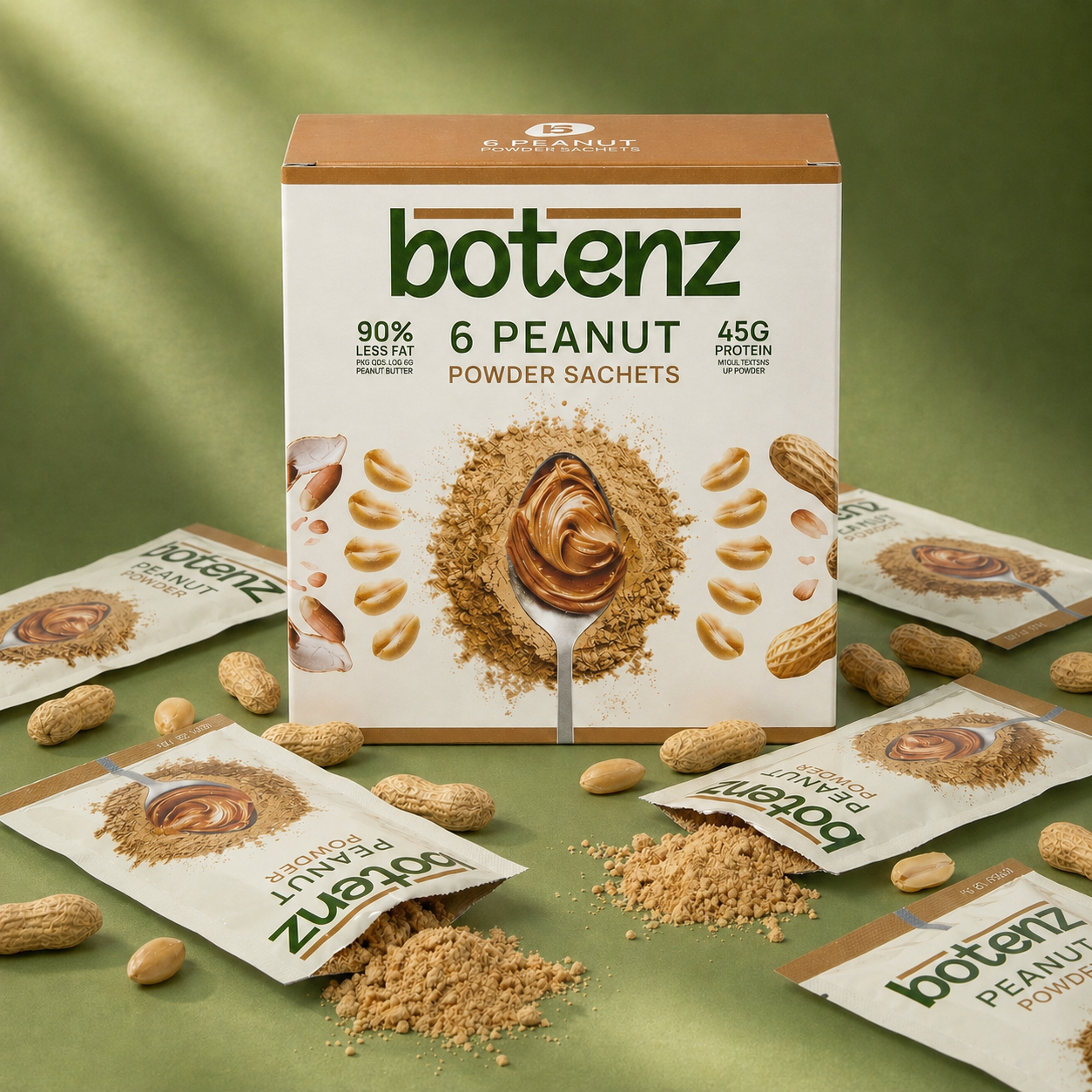
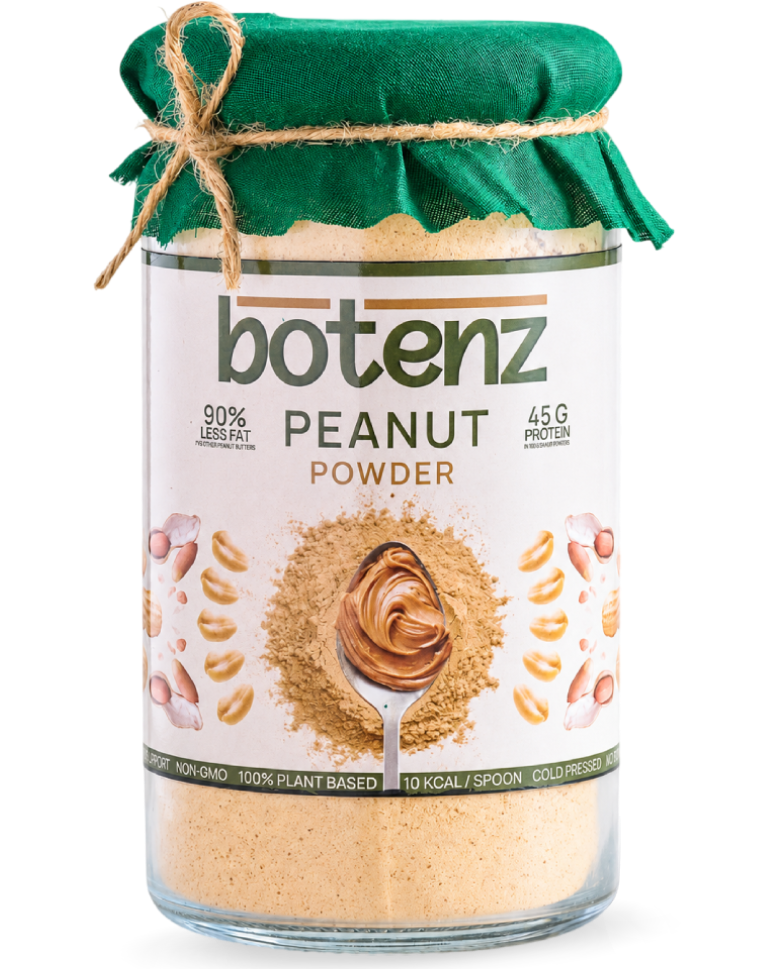
Peanut butter powder in India – product pouch front
42
calories
100
calories
5g
protein
4g
protein
1.5g
fat
9g
fat

Per Serving

Per Serving

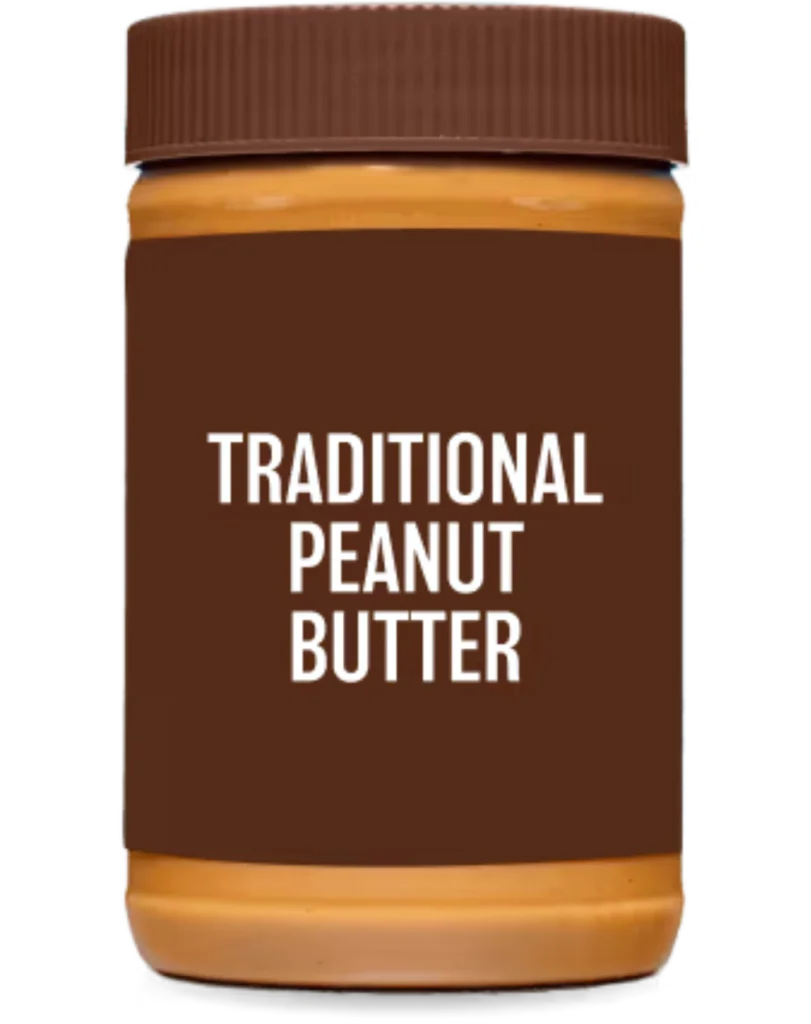
traditional most regular peanut butter picture
42
calories
5g
protein
1.5g
fat

Per Serving

100
calories
4g
protein
9g
fat

Per Serving

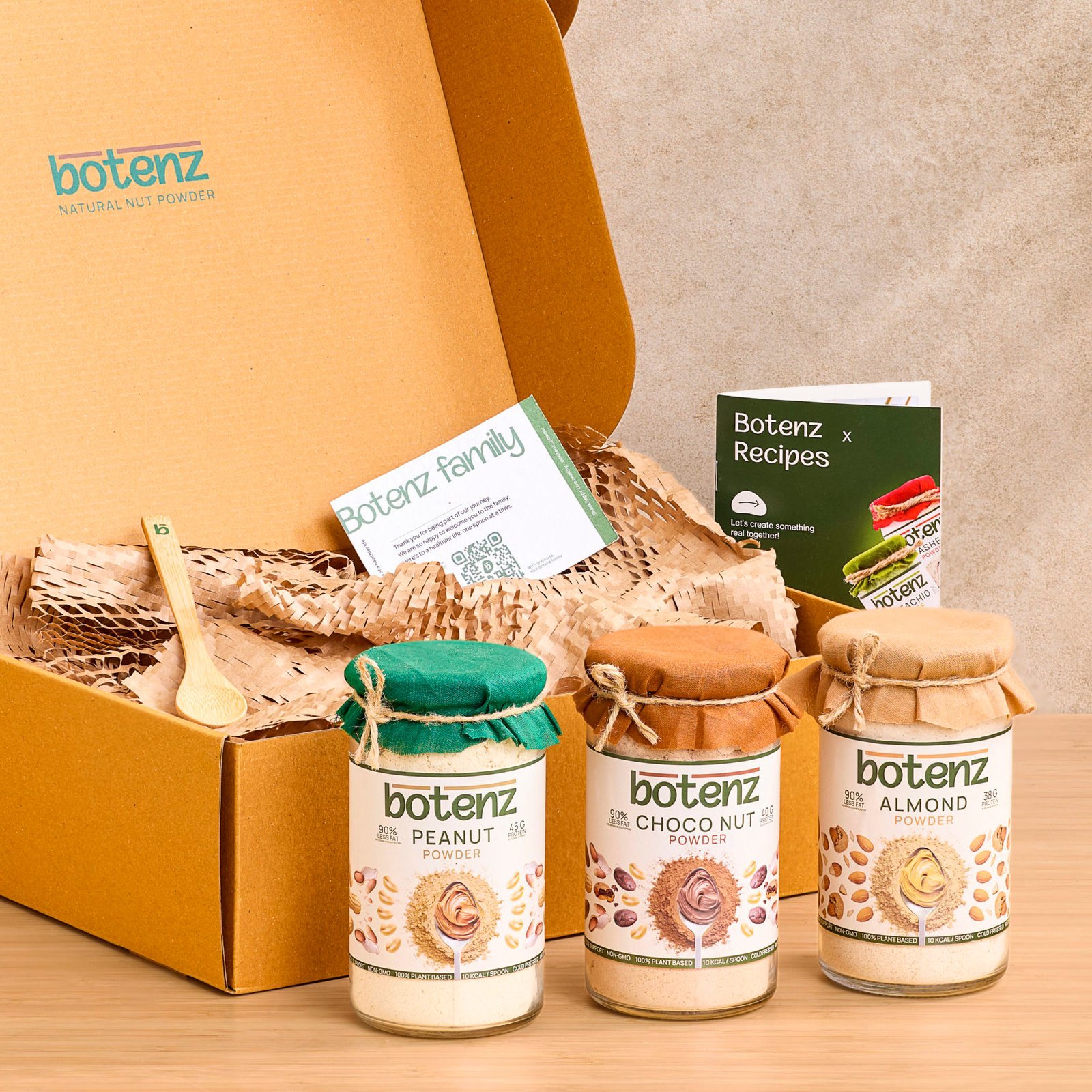
Botenz cold-presses 6 nut butter powders — peanut, almond, pistachio, cashew, sesame, and peanut cacao — in India from whole nuts. clean ingredients, glass jars, no additives. explore all 6 powders.

Elad Lavi
written by
elad lavi
founder, Botenz — 6 cold-pressed nut powders for Indian kitchens
icons 1

more like this
nut powder guide

icons 2

25g

protein

30

minutes

400

kcal

25g

protein

30

minutes

400

kcal

25g

protein

30

minutes

400

kcal

25g

protein

30

minutes

400

kcal

Unlock 15% Off

⏱︎ 1 min

Complete for 15% Off

From Me to India

I’m Elad Lavi, the founder of Botenz. After living in India, I realized something: people here care about health—but “better-for-you” products here often use the same tricks—just better marketing.

IMG-20250522-WA0042

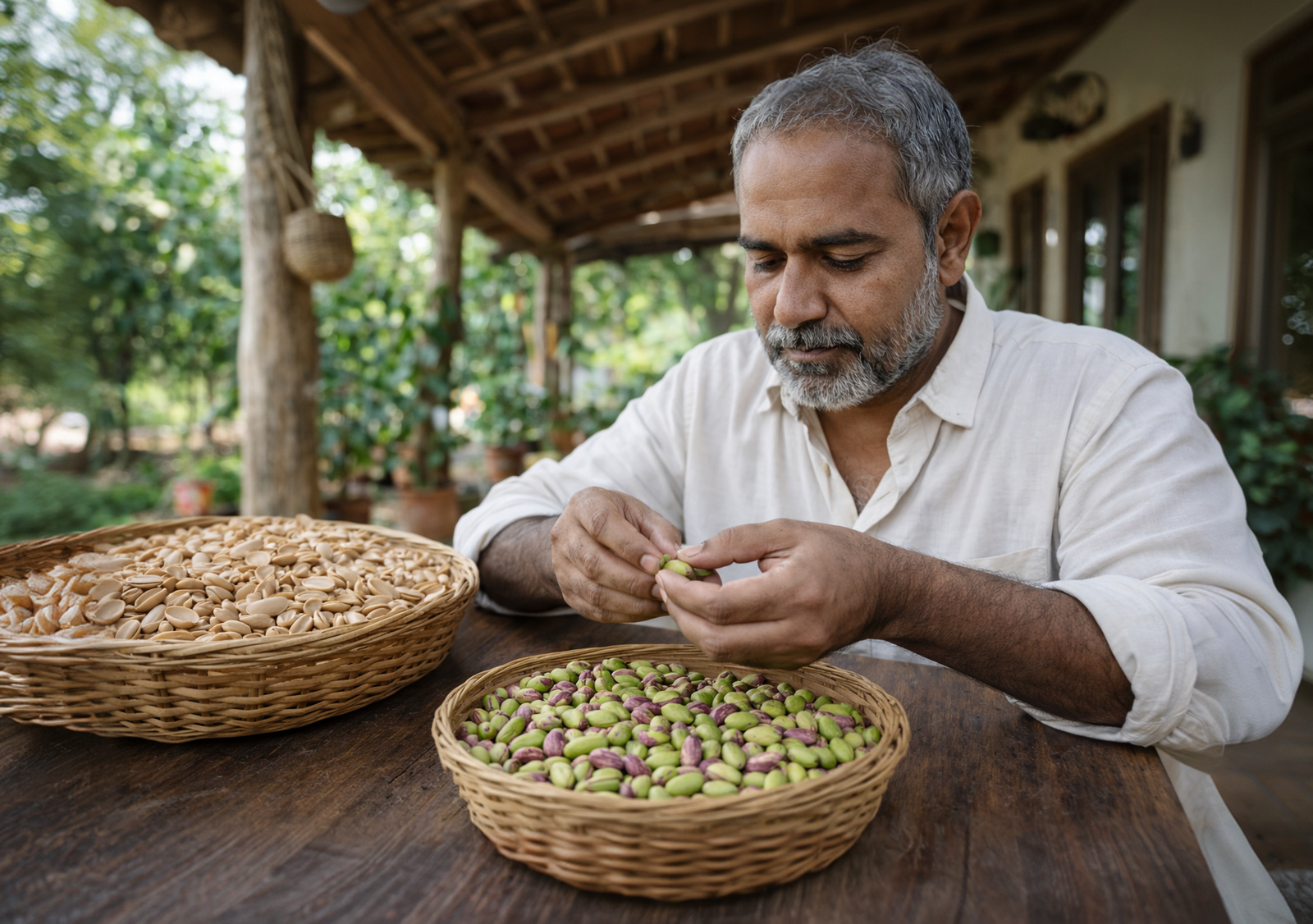
So I built Botenz for European standards, kept it clean and simple, and focused on nuts—because India already values them as premium nutrition, and we make them even better: more of the good stuff, with much less oil.

Botenz is my mission—to make better nutrition feel normal.
— Elad Lavi, Founder

beautiful about us and info botenz jar

Clean Nutrition, No Tricks.

Others chase flavor with additives. We keep it real.

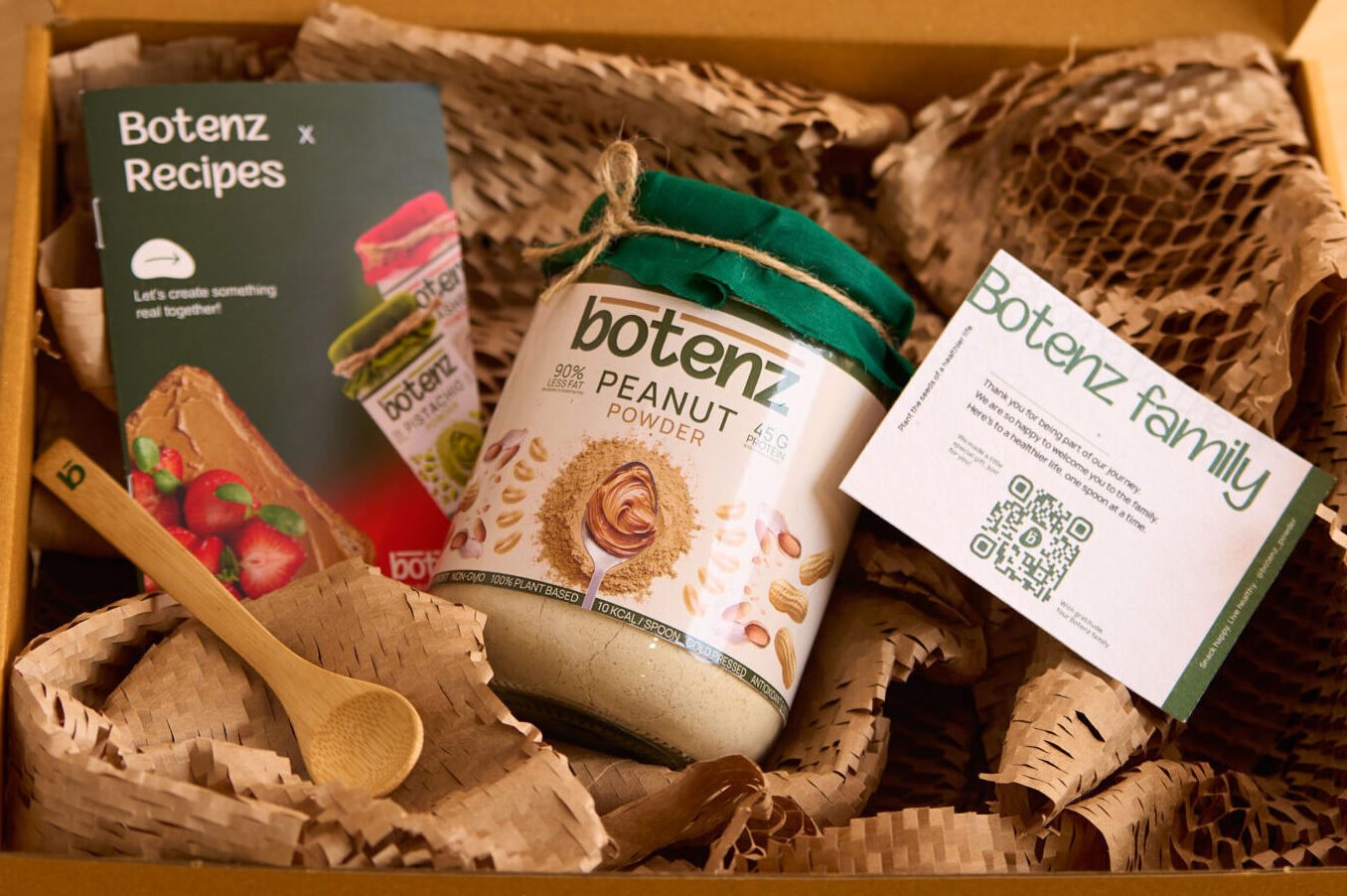
We pack Botenz in glass, not plastic, to keep the powder pure—no microplastics, better freshness, and real natural taste. Inside, it’s just 1–3 natural ingredients with no refined sugar, no fillers, and no gums. We use the most natural process.

Botenz exists to make better nutrition feel normal in India—clean, premium, and easy to trust. Start with one jar and taste the difference: real nuts, less oil, zero tricks.

Great! Enjoy Another

20% off!

IMG_20260115_064309_370
Botenz peanut powders logo

Claim This

Limited Discount

Peanut KV (2)
0